Exploring Filipino History at Salakot Arch in Angeles, Pampanga
Introduction
Learning about Filipino history at Salakot Arch in Angeles, Pampanga is a significant experience that offers insights into the cultural heritage and historical context of the Philippines. For more cultural attractions, explore Atlas Obscura unique sites. For local activities and tours, browse Viator experience options. This iconic landmark not only represents the rich history of Pampanga but also serves as a symbol of Filipino identity and tradition. In this article, we will delve into the historical context of Pampanga, the cultural significance of Salakot Arch, local insider knowledge in the region, must-visit landmarks, seasonal considerations, practical details for visitors, personal experiences, local expert insights, actionable tips for cultural exploration, unique experiences, and a call-to-action to explore Pampanga and discover the diverse history and traditions of the Philippines.
Historical Context of Pampanga

Pampanga has played a crucial role in the history of the Philippines, particularly during the Spanish colonization and the Philippine Revolution. For comprehensive travel planning, visit Lonely Planet destination guides. The province was known for its strong resistance against Spanish forces and later against American occupation during the Philippine-American War. Key historical landmarks in Pampanga, such as Salakot Arch and Fort Stotsenburg, reflect the tumultuous past of the region.
Cultural Significance of Salakot Arch
Salakot Arch is shaped like a traditional salakot, a wide-brimmed hat worn by Filipino farmers. The salakot symbolizes protection and shelter, and it holds deep cultural significance in Filipino identity. Understanding the symbolism of the salakot and traditional Filipino attire is essential for preserving the country’s cultural heritage. Local interpretations and stories behind the design of Salakot Arch provide insights into the artistic and cultural aspects of the monument.
Local Insider Knowledge in Pampanga
Visitors to Pampanga should be aware of traditional Filipino values, such as respect for elders and authority figures. Filipinos are known for their hospitality and warmth, making interactions with locals a memorable experience. Etiquette tips for engaging with locals, including greetings and manners, are essential for cultural immersion in Pampanga.
Exploring Pampanga: Must-Visit Landmarks
Salakot Arch along McArthur Highway in Angeles City is a must-visit landmark that showcases Filipino history and culture. Nayong Pilipino Clark offers a glimpse into Filipino heritage and traditions, while Mt. Pinatubo provides outdoor adventures and stunning landscapes for nature enthusiasts.
Seasonal Considerations in Pampanga
Pampanga experiences wet and dry seasons, with the wet season from June to November and the dry season from December to May. Visitors should consider the impact of seasonal weather on travel and plan their trips accordingly. Ideal times to visit Pampanga for festivals and events, as well as preparation tips for dealing with tropical weather, are important considerations for travelers.
Practical Details for Visitors to Pampanga
Understanding currency exchange rates and budgeting for transportation and meals is essential for visitors to Pampanga. Transportation options in the region, including jeepneys and tricycles, offer convenient ways to explore the area. Safety tips and accessibility information for tourists ensure a smooth and enjoyable experience in Pampanga. Many visitors staying in the Angeles, Pampanga area find that the central location offers easy access to both traditional and contemporary local experiences.
Personal Experiences in Pampanga
Immersing in the culinary scene of Pampanga with traditional Kapampangan dishes, attending local festivals and cultural events in Angeles City, and exploring heritage houses and historical sites in the region provide unique and enriching experiences for visitors. These personal encounters offer a deeper connection to the history and culture of Pampanga.
Local Expert Insights on Pampanga
Local historians and cultural experts provide valuable insights into the significance of Salakot Arch and recommendations for exploring the rich history and culture of Pampanga. Their perspectives on recent developments and changes in the tourism industry offer a comprehensive view of the region’s heritage and traditions.
Actionable Tips for Cultural Exploration in Pampanga
Joining guided tours to learn more about Filipino history and heritage, trying local delicacies and participating in cooking classes, and engaging with local communities support sustainable tourism initiatives in Pampanga. These actionable tips enhance cultural exploration and promote meaningful interactions with the local community.
Unique Experiences in Pampanga
The Giant Lantern Festival in December, culinary tours to sample traditional Kapampangan dishes, and the Pampanga Lantern Festival during the Christmas season offer unique and unforgettable experiences in the region. These cultural events showcase the creativity and vibrancy of Pampanga’s heritage.
Conclusion
Exploring Filipino history at Salakot Arch in Angeles, Pampanga is a transformative experience that deepens one’s understanding of the cultural heritage and historical context of the Philippines. By immersing in the rich history and traditions of Pampanga, visitors gain a newfound appreciation for the diverse and vibrant culture of the region. We encourage all travelers to embark on a journey to Pampanga, discover its unique heritage, and continue learning about the fascinating history and traditions of the Philippines.
Frequently Asked Questions
What historical events is Angeles, Pampanga known for in the context of Filipino history?
Angeles, Pampanga played a significant role in the Philippine Revolution against Spanish colonization and was also a key site of resistance during the Philippine-American War. The province has a rich history of fighting for independence and preserving Filipino culture. Learning about Filipino history at Salakot Arch in Angeles provides a unique opportunity to delve into the region's historical significance and its contributions to the country's struggle for freedom.
How does Salakot Arch symbolize Filipino culture and heritage?
Salakot Arch is shaped like a salakot, a traditional wide-brimmed hat worn by Filipino farmers. The salakot represents protection and shelter from the elements, embodying aspects of Filipino identity and rural life. By learning about Filipino history at Salakot Arch, visitors gain insight into the cultural symbolism of the salakot and its significance in Filipino heritage. It's a tangible representation of the connection between the Filipino people and their traditions.
What is the best way to access Salakot Arch in Angeles, Pampanga?
Salakot Arch is conveniently located in Angeles, Pampanga, making it easily accessible by various modes of transportation. Visitors can reach the arch by taking a taxi, tricycle, or jeepney from different parts of the city. It's recommended to use a map or GPS to navigate the streets of Angeles and locate Salakot Arch. The arch is a prominent landmark in the area, making it relatively easy to find once you're in the vicinity.
Are there any entrance fees or costs associated with learning about Filipino history at Salakot Arch?
Visiting Salakot Arch in Angeles, Pampanga is free of charge, allowing visitors to immerse themselves in Filipino history without any entrance fees. This makes it an accessible educational experience for tourists and locals alike. While there are no direct costs for exploring the arch, it's a good idea to bring some cash for potential transportation expenses, snacks, or souvenirs. Enjoying the historical significance of Salakot Arch comes at no additional cost.
Where to Stay
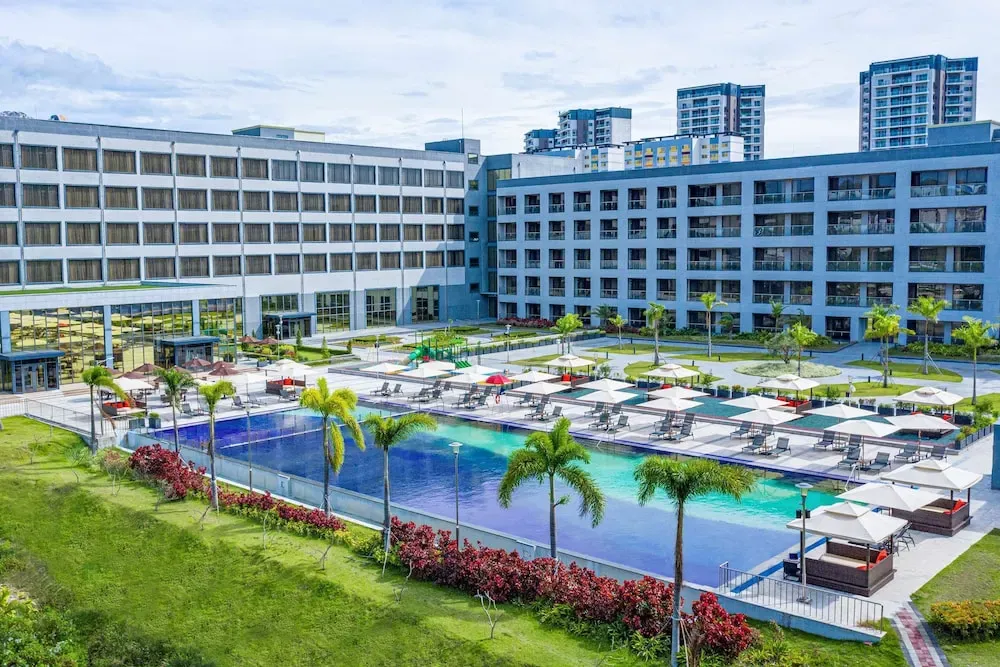
When planning your visit to experience everything this vibrant area offers, Marriott Clark provides excellent access to all the local attractions and cultural experiences mentioned above. The strategic location makes it easy to immerse yourself in the authentic local life while having a comfortable base to return to after your adventures.
What are some local customs or traditions visitors should be aware of when learning about Filipino history at Salakot Arch?
When visiting Salakot Arch in Angeles, Pampanga, it's important to show respect for the historical and cultural significance of the site. Observing proper decorum, such as refraining from loud behavior or littering, is essential when engaging with Filipino history at the arch. Additionally, engaging with locals in a friendly and polite manner can enhance the educational experience and foster cultural exchange. Embracing the customs and traditions of the Philippines adds depth to the learning journey at Salakot Arch.
What practical tips should visitors keep in mind when exploring Filipino history at Salakot Arch?
To make the most of your educational experience at Salakot Arch in Angeles, Pampanga, consider bringing sunscreen, a hat, and plenty of water, as the area can get quite hot. Wearing comfortable walking shoes is also recommended, as you may need to navigate uneven terrain around the arch. It's advisable to engage with local guides or historians for a more in-depth understanding of the historical significance of Salakot Arch and its connection to Filipino history.
How can visitors engage with the local community and gain deeper insights into Filipino history at Salakot Arch?
To enhance your educational experience at Salakot Arch in Angeles, Pampanga, consider interacting with local residents and historians who can share firsthand knowledge about the region's history. Engaging in conversations with community members can provide valuable insights and personal anecdotes that enrich your understanding of Filipino heritage. Attending cultural events or workshops related to Filipino history in the area can also deepen your connection to the local community and its historical legacy.
What cultural protocols should I follow when visiting cultural sites in Angeles, Pampanga?
Cultural sites in Angeles, Pampanga, Philippines often have specific protocols for visitors. This includes appropriate dress codes, photography restrictions, and behavioral expectations that show respect for local customs and traditions. Following these guidelines ensures a more authentic and respectful cultural experience.
How can I participate respectfully in local cultural activities in Pampanga?
Participating in cultural activities in Pampanga requires understanding local customs and showing genuine interest in learning. Many cultural experiences welcome visitors who approach with respect and curiosity. The key is observing how locals participate and asking appropriate questions when invited to join.
How do locals typically get around Angeles, Pampanga?
Local transportation in Angeles, Pampanga, Philippines follows patterns that residents know well. Understanding the local transport culture, including payment methods, etiquette, and timing, helps visitors navigate more efficiently. Many areas have transportation options that aren't immediately obvious to newcomers.
What makes this area unique within Philippines?
The Angeles, Pampanga area of Pampanga has characteristics that distinguish it from other parts of Philippines. This includes local customs, community traditions, and cultural elements that give the neighborhood its distinctive character. These unique aspects contribute to the authentic local experience visitors can have here.