
Introduction to Baguio City’s Colonial Architecture
Baguio City, nestled in the province of Benguet, is a picturesque destination in the Philippines known for its rich colonial history and unique blend of Spanish and American influences in architecture. As you wander through the streets of Baguio City, you’ll be greeted by stunning colonial buildings that tell the story of the city’s past. In this article, we’ll delve into the historical significance of colonial architecture in Baguio City, explore the cultural influences that have shaped Filipino architecture, and provide practical tips for exploring this charming city.
The Historical Significance of Colonial Architecture in Baguio City
Baguio City’s colonial architecture is a testament to the city’s rich history, reflecting the influence of both Spanish and American colonial powers. For more cultural attractions, explore Atlas Obscura unique sites. The buildings in Baguio City serve as tangible reminders of the city’s past and provide a window into the architectural styles of the colonial era. Each building has its own story to tell, showcasing the cultural heritage and historical significance of the city.
The Unique Blend of Spanish and American Influences in Filipino Architecture
Filipino architecture is a unique blend of Spanish and American influences, reflecting the country’s colonial past. Spanish colonial architecture is characterized by ornate details, arches, and courtyards, while American colonial architecture is more utilitarian and practical. In Baguio City, you’ll find a fascinating mix of these architectural styles, creating a harmonious fusion of the two colonial powers’ influences.
Historical Context of Baguio City

Spanish Colonial Era in the Philippines
The Spanish colonial era in the Philippines began in the 16th century when the Spanish conquistadors arrived in the archipelago. For additional dining recommendations, check Time Out local restaurant guides. For comprehensive travel planning, visit Lonely Planet destination guides. Spanish colonial architecture was characterized by grand churches, fortresses, and government buildings, many of which still stand today as historical landmarks. In Baguio City, traces of Spanish colonial architecture can be seen in some of the city’s oldest buildings.
American Colonization and the Establishment of Baguio City as a Hill Station
Following the Spanish-American War in 1898, the Philippines fell under American rule, leading to the establishment of Baguio City as a hill station in 1900. The Americans saw Baguio City as a retreat from the heat and humidity of the lowlands, and many colonial buildings were constructed during this period. The city became the summer capital of the Philippines and a hub of colonial architecture.
Cultural Significance of Colonial Architecture in Baguio City
Influence of Colonial Powers on Filipino Architecture
The colonial powers of Spain and America left a lasting impact on Filipino architecture, shaping the buildings and structures that can be found in Baguio City today. Spanish architecture brought ornate details and intricate designs, while American architecture focused on functionality and simplicity. The blend of these influences has created a unique architectural landscape in Baguio City.
Preservation Efforts and Importance of Historical Buildings in the City
Preserving the colonial architecture in Baguio City is essential to maintaining the city’s cultural heritage and historical identity. Many historical buildings have been restored and maintained to ensure that future generations can appreciate the beauty and significance of these structures. The efforts to preserve these buildings highlight the importance of honoring the past and celebrating the unique colonial heritage of Baguio City.
The Mansion: A Colonial Landmark in Baguio City
History and Significance of The Mansion
The Mansion is a colonial landmark in Baguio City that holds historical significance as the official summer residence of the President of the Philippines. Built in the early 1900s, The Mansion is a stunning example of American colonial architecture and serves as a symbol of the city’s colonial past. Visitors can tour the grounds and admire the architectural features of this iconic building.
Architectural Features and Design of The Mansion
The Mansion’s architecture is characterized by its grandeur and elegance, with a mix of American colonial and local Cordillera influences. The building features a prominent porte-cochere, expansive verandas, and intricate woodwork details. The lush gardens surrounding The Mansion add to its charm, making it a must-visit destination for those interested in colonial architecture.
Baguio Cathedral: A Symbol of Faith and History
Overview of Baguio Cathedral’s History
Baguio Cathedral, also known as Our Lady of Atonement Cathedral, is a prominent religious landmark in Baguio City. The cathedral was constructed in the early 20th century and has become a symbol of faith and history in the Philippines. Its Gothic-inspired architecture and stunning stained glass windows make it a captivating sight for visitors and locals alike. Many visitors staying in the Baguio City, Benguet area find that the central location offers easy access to both traditional and contemporary local experiences.
Cultural and Religious Significance of the Cathedral in the Philippines
Baguio Cathedral plays a vital role in the religious and cultural life of the city, serving as a place of worship and reflection for the community. The cathedral’s architecture and design reflect the Catholic faith of the Filipino people, with intricate details and religious symbolism adorning its walls. Visiting Baguio Cathedral is a spiritual and cultural experience that should not be missed.
Camp John Hay: A Historic American Military Base
Historical Background of Camp John Hay
Camp John Hay is a historic American military base located in Baguio City that dates back to the early 1900s. Originally established as a rest and recreation facility for American soldiers, Camp John Hay played a significant role in the city’s colonial history. Today, the former military base has been transformed into a popular tourist destination with hotels, restaurants, and recreational activities.
Transformation of the Military Base into a Tourist Destination
Over the years, Camp John Hay has evolved into a vibrant and bustling hub of activity, attracting visitors from near and far. The historic buildings and structures within the camp have been preserved and repurposed, offering a glimpse into the past while providing modern amenities and entertainment options. Exploring Camp John Hay is a journey through history and a testament to the city’s colonial heritage.
Seasonal Considerations for Visiting Baguio City
Weather Patterns and Best Times to Visit
Baguio City’s climate is mild and cool throughout the year, with temperatures ranging from 15 to 26 degrees Celsius. The best time to visit Baguio City is during the dry season from November to April when the weather is pleasant and ideal for outdoor activities. The city experiences a rainy season from May to October, so it’s advisable to plan your visit accordingly.
Tips for Packing and Dressing Appropriately for the Climate
When visiting Baguio City, it’s essential to pack clothing suitable for cool weather. Light layers, sweaters, and jackets are recommended to stay warm during the cooler evenings. Comfortable shoes are also a must for exploring the city on foot. Don’t forget to bring sunscreen and a hat to protect yourself from the sun’s rays, even on cloudy days.
Practical Details for Exploring Baguio City
Transportation Options in Baguio City
Getting around Baguio City is easy with various transportation options available. Taxis, jeepneys, and tricycles are popular modes of transport for getting around the city and visiting colonial buildings. Walking is also a great way to explore the city and Immerse Yourself in its colonial heritage. Hiring a local guide for a historical walking tour is a fantastic way to learn more about Baguio City’s architecture and history.
Entrance Fees and Accessibility of Colonial Buildings
Most colonial buildings in Baguio City are open to the public, with affordable entrance fees for visitors. The Mansion, Baguio Cathedral, and Camp John Hay are accessible to tourists and offer guided tours to learn more about their history and significance. It’s advisable to check the opening hours and entrance fees in advance to plan your visit accordingly.
Local Insights and Expert Tips for Tourists
Personal Experiences from Locals in Baguio City
Locals in Baguio City are proud of their colonial heritage and are eager to share their knowledge and stories with visitors. Engaging with locals can provide valuable insights into the city’s history, culture, and traditions. Don’t hesitate to strike up a conversation with a local resident or tour guide to learn more about the hidden gems of Baguio City.
Local Expert Quotes on the Importance of Preserving Colonial Architecture
“Preserving our colonial architecture is essential to understanding and appreciating our cultural heritage,” says Maria, a local historian in Baguio City. “These buildings are more than just structures; they are living monuments that tell the story of our past and shape our future.” Local experts like Maria are passionate about preserving the city’s colonial architecture and sharing its significance with visitors.
Safety and Etiquette in Baguio City
Tips for Staying Safe and Avoiding Common Tourist Scams
Baguio City is generally safe for tourists, but it’s essential to stay vigilant and aware of your surroundings. Avoid carrying large sums of money or valuables in crowded areas and be cautious of pickpockets. It’s advisable to use reputable transportation services and avoid walking alone at night. By staying alert and following basic safety precautions, you can enjoy a safe and memorable visit to Baguio City.
Cultural Norms and Etiquette When Visiting Historical Sites in Baguio City
When visiting historical sites and colonial buildings in Baguio City, it’s important to respect the cultural norms and etiquette of the local community. Dress modestly and respectfully when entering churches or religious sites, and remove your footwear before stepping inside certain buildings. By showing respect for the city’s cultural heritage, you can immerse yourself in the history and traditions of Baguio City.
Unique Experiences in Baguio City
Cultural Festivals and Events in Baguio City
Baguio City is known for its Vibrant Cultural festivals and events that celebrate the city’s heritage and traditions. The Panagbenga Festival, also known as the Baguio Flower Festival, is a highlight of the city’s event calendar, featuring colorful parades, flower floats, and street dancing. Attending cultural festivals and events in Baguio City is a fantastic way to experience the local culture and connect with the community.
Recommendations for Off-the-Beaten-Path Attractions in the City
While exploring Baguio City’s colonial architecture, don’t miss the opportunity to discover off-the-beaten-path attractions that offer a unique perspective on the city. Visit the Tam-awan Village to learn about the indigenous culture of the Cordillera region or explore the BenCab Museum to admire contemporary Filipino art. These hidden gems provide insight into the diverse cultural landscape of Baguio City and offer a memorable experience for adventurous travelers.
Conclusion: Embracing the Colonial Heritage of Baguio City
Recap of the Historical and Cultural Significance of Colonial Architecture
Exploring the colonial architecture of Baguio City is a journey through time and a celebration of the city’s rich heritage. From The Mansion to Baguio Cathedral to Camp John Hay, each colonial building tells a unique story of the city’s past and cultural identity. By embracing and preserving these historical landmarks, we can honor the legacy of Baguio City and appreciate the enduring influence of colonial powers on Filipino architecture.
Where to Stay
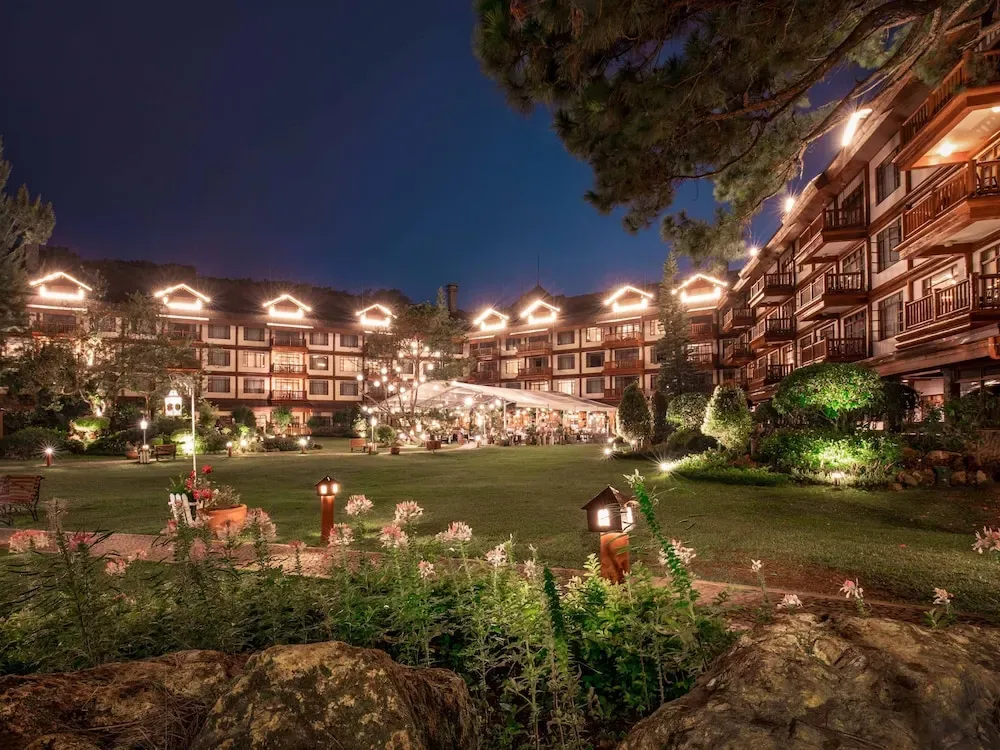
When planning your visit to experience everything this vibrant area offers, The Manor at Camp John Hay provides excellent access to all the local attractions and cultural experiences mentioned above. The strategic location makes it easy to immerse yourself in the authentic local life while having a comfortable base to return to after your adventures.
Call-to-Action for Tourists to Explore and Appreciate Baguio City’s Unique Heritage
As you plan your visit to Baguio City, consider embarking on a historical walking tour to discover the colonial architecture that defines the city’s character. Engage with locals, immerse yourself in the cultural traditions, and explore the hidden treasures of Baguio City. By supporting the preservation of colonial buildings and embracing the city’s unique heritage, you can create lasting memories and enrich your travel experience in this charming destination.
Frequently Asked Questions
What is the historical significance of Baguio City's colonial architecture?
Baguio City's colonial architecture reflects the city's history as a summer capital during the American colonial period in the Philippines. The buildings showcase the influence of Spanish and American colonial powers on Filipino architecture, making them important cultural landmarks. The structures serve as a reminder of the country's colonial past and provide visitors with a glimpse into the rich history of the region.
Where are the key colonial architecture sites located in Baguio City, Benguet?
Key colonial architecture sites in Baguio City include The Mansion, a presidential residence during official visits, and Teacher's Camp, a former training ground for American teachers. Other notable sites are the Baguio Cathedral, which features neo-Gothic architecture, and the Laperal White House, known for its spooky history. These sites are located in different parts of the city and can be explored on a walking tour.
How much does a historical walking tour of Baguio City's colonial architecture cost?
The cost of a historical walking tour of Baguio City's colonial architecture can vary depending on the tour operator and the duration of the tour. On average, a guided tour may range from 500 to Philippine pesos per person. Some tours may include entrance fees to specific sites, while others may require additional payment for entrance. It's recommended to check with the tour operator for specific pricing details.
What local customs or etiquette should visitors be aware of when exploring Baguio City's colonial architecture?
When visiting colonial architecture sites in Baguio City, it's important to show respect for the historical significance of the buildings. Visitors should dress modestly and refrain from loud or disruptive behavior. It's also customary to greet locals with a friendly 'Magandang araw' (Good day) and ask for permission before taking photos of people or private property. By following these customs, visitors can show appreciation for the cultural heritage of the city.
Is English widely spoken in Baguio City for communication during the historical walking tour?
English is widely spoken in Baguio City, especially in tourist areas and during guided tours. Many locals, including tour guides, are fluent in English, making it easy for visitors to communicate and understand directions or historical information during the walking tour. However, it's always helpful to learn a few basic Filipino phrases as a sign of respect for the local culture and to enhance the overall experience.
What should visitors bring for a historical walking tour of Baguio City's colonial architecture?
Visitors to Baguio City's historical walking tour of colonial architecture should bring comfortable walking shoes, a hat or umbrella for sun protection, a refillable water bottle, and a camera to capture the beautiful architecture. It's also advisable to carry a small backpack with essentials like sunscreen, snacks, and a map of the city. As the weather in Baguio City can be unpredictable, it's recommended to pack a light jacket or sweater in case of sudden changes in temperature.
How do locals typically get around Baguio City, Benguet?
Local transportation in Baguio City, Benguet, Philippines follows patterns that residents know well. Understanding the local transport culture, including payment methods, etiquette, and timing, helps visitors navigate more efficiently. Many areas have transportation options that aren't immediately obvious to newcomers.
What makes this area unique within Philippines?
The Baguio City, Benguet area of Benguet has characteristics that distinguish it from other parts of Philippines. This includes local customs, community traditions, and cultural elements that give the neighborhood its distinctive character. These unique aspects contribute to the authentic local experience visitors can have here.
