Introduction
Embark on a culinary journey through the vibrant streets of Metro Manila and delve into the rich tapestry of flavors that define traditional Filipino cuisine. In this article, we will set the stage for traditional Filipino cooking classes, explore the cultural significance of Filipino cuisine, and provide insider knowledge on local ingredients and cooking techniques. For more cultural attractions, explore Atlas Obscura unique sites. Join us as we discover the historical background, cultural significance, and practical details of joining cooking classes in Metro Manila.
Setting the Stage for Traditional Filipino Cooking Classes

Before diving into the culinary world of the Philippines, it’s essential to understand the cultural significance of Filipino cuisine. Cooking in the Philippines is more than just preparing a meal; it is a celebration of flavors, history, and community. Traditional Filipino cooking classes offer a glimpse into the heart and soul of Filipino culture, where food is a central element of daily life.
Exploring the Rich Culinary Heritage of the Philippines
The culinary heritage of the Philippines is a melting pot of influences from various cultures that have shaped the country’s cuisine over centuries. For additional dining recommendations, check Time Out local restaurant guides. For comprehensive travel planning, visit Lonely Planet destination guides. Spanish colonization introduced ingredients like tomatoes, potatoes, and garlic, which are now staples in Filipino dishes. Chinese and Malay influences brought soy sauce, noodles, and stir-frying techniques, while American colonization introduced fast food chains and processed foods.
Embracing the Cultural Significance of Filipino Cuisine
Filipino cuisine is deeply rooted in family and community bonding, with meals often shared in large gatherings or fiestas. Cooking is a way to express love and care for others, with traditional dishes like adobo and sinigang serving as comfort food for many Filipinos. By embracing Filipino cuisine, we honor the traditions and values that have been passed down through generations.
Historical Background of Filipino Cuisine
Influence of Spanish Colonization on Filipino Cooking
Spanish colonization left a lasting impact on Filipino cuisine, introducing ingredients like tomatoes, potatoes, and chili peppers to the region. Spanish dishes like paella and caldereta have been adapted to local tastes, creating dishes like arroz caldo and kalderetang kambing. The use of vinegar, soy sauce, and bay leaves in Filipino cooking can be traced back to Spanish influence.
Chinese and Malay Influences in Traditional Filipino Dishes
Chinese and Malay traders brought soy sauce, noodles, and stir-frying techniques to the Philippines, influencing dishes like pancit, lumpia, and siopao. The use of shrimp paste, coconut milk, and pandan leaves in Filipino cooking can be attributed to Malay influence, adding depth and complexity to traditional dishes.
American Influence on Modern Filipino Cuisine
American colonization introduced processed foods, canned goods, and fast food chains to the Philippines, changing the way Filipinos eat and cook. Filipino adaptations of American dishes like spaghetti and fried chicken have become popular in the country, showcasing the fusion of flavors and culinary traditions.
Cultural Significance of Filipino Cooking
Family and Community Bonding Through Food
Food plays a central role in Filipino culture, with meals serving as a time for families to come together and bond. Cooking and sharing food with loved ones create lasting memories and strengthen relationships, making food an integral part of Filipino identity. Traditional cooking classes offer a way to connect with this cultural heritage and experience the joy of cooking together.
Traditional Cooking as a Celebration of Filipino Identity
Traditional Filipino cooking is a celebration of identity and heritage, with each dish reflecting the history and culture of the Philippines. From the use of local ingredients to the preparation methods passed down through generations, Filipino cuisine embodies the spirit of the Filipino people. By participating in cooking classes, you can immerse yourself in this rich culinary tradition and learn from the experts who are preserving these age-old recipes.
Preserving Culinary Heritage Through Cooking Classes
Cooking classes in Metro Manila offer a unique opportunity to learn traditional Filipino recipes and techniques from experienced chefs and culinary experts. By attending these classes, you not only get to savor the flavors of Filipino cuisine but also contribute to the preservation of culinary heritage. Through hands-on experience and immersive learning, you can carry on the legacy of Filipino cooking and share it with others around the world.
Local Insider Knowledge in Filipino Cooking
Unique Ingredients Used in Filipino Dishes
Filipino cuisine is known for its use of unique ingredients that add depth and flavor to dishes. Ingredients like calamansi, bagoong, and banana leaves are essential in Filipino cooking, giving dishes their distinct taste and aroma. Calamansi, a small citrus fruit, adds a tangy and citrusy flavor to dishes, while bagoong, a fermented shrimp paste, provides a salty and umami-rich taste.
Traditional Cooking Methods and Techniques
Traditional Filipino cooking methods and techniques have been passed down through generations, preserving the authenticity of Filipino cuisine. Techniques like adobo (marinating meat in vinegar and soy sauce), sinigang (a sour soup), and lechon (roasted pig) are staples in Filipino kitchens, showcasing the diversity and creativity of Filipino cooking. Many visitors staying in the Quezon City, Metro Manila area find that the central location offers easy access to both traditional and contemporary local experiences.
Incorporating Local Flavors in Modern Filipino Cuisine
Modern Filipino cuisine has evolved to incorporate local flavors and ingredients in innovative ways, creating a fusion of traditional and contemporary dishes. Chefs and culinary experts in Metro Manila are experimenting with new techniques and flavors to reinvent classic Filipino recipes, adding a modern twist to traditional favorites. By joining cooking classes in the Philippines, you can experience the best of both worlds and explore the dynamic culinary landscape of the country.
Best Places for Traditional Cooking Classes in Metro Manila
The Maya Kitchen Culinary Arts Center in Makati City
Located in the bustling city of Makati, The Maya Kitchen Culinary Arts Center offers traditional Filipino cooking classes for both locals and tourists. With a team of experienced chefs and instructors, the center provides hands-on cooking experiences that showcase the flavors and techniques of Filipino cuisine. From adobo to kare-kare, you can learn to prepare authentic Filipino dishes in a fun and interactive environment.
The Center for Culinary Arts in Quezon City
If you’re looking to explore the culinary delights of Quezon City, The Center for Culinary Arts is the perfect place to start. With a focus on traditional Filipino cooking, the center offers a range of classes that cater to all skill levels. Whether you’re a beginner or an experienced cook, you can learn to Master the art of Filipino cuisine and impress your friends and family with delicious homemade dishes.
Hands-On Experience at The Pantry, Dusit Thani Manila
For a unique cooking experience in the heart of Makati City, head to The Pantry at Dusit Thani Manila. This upscale hotel offers hands-on cooking classes that focus on traditional Filipino dishes, allowing you to learn from professional chefs in a luxurious setting. From learning to make lumpia to perfecting your adobo recipe, you can elevate your culinary skills and create memorable dining experiences for years to come.
Practical Details for Joining Cooking Classes in Metro Manila
Pricing and Duration of Cooking Classes
Traditional Filipino cooking classes in Metro Manila typically range from 1,500 to 3,000 Philippine Pesos per person, depending on the duration and complexity of the class. Classes can last anywhere from a few hours to a full day, giving participants ample time to learn new recipes and techniques. Some classes may include additional fees for ingredients or equipment, so be sure to check the details before booking.
Seasonal Considerations for Ingredients in the Philippines
The Philippines has a tropical climate with two main seasons: wet (June to November) and dry (December to May). Seasonal ingredients like mangoes, pineapples, and coconuts are abundant during the dry season, while root vegetables and leafy greens thrive in the wet season. When planning to attend cooking classes in Metro Manila, consider the availability of seasonal ingredients to get the freshest and most flavorful produce for your dishes.
Safety and Accessibility Information for Participants
When joining cooking classes in Metro Manila, it’s essential to prioritize safety and accessibility to ensure a smooth and enjoyable experience. Choose reputable establishments with experienced instructors and well-equipped kitchens to guarantee a high-quality learning environment. Public transportation options like buses, jeepneys, and taxis are readily available in Metro Manila, making it easy to travel to and from cooking class locations.
Personal Experiences and Insights from Filipino Cooking Experts
Farm-to-Table Experiences in Traditional Filipino Cooking
One of the unique aspects of traditional Filipino cooking classes is the opportunity to experience farm-to-table dining firsthand. Participants can visit local markets or farms to source fresh ingredients for their dishes, gaining a deeper appreciation for the quality and diversity of produce available in the Philippines. By connecting with local farmers and producers, you can support sustainable practices and learn more about the origins of the food you eat.
Insights from Local Chefs and Culinary Experts
Local chefs and culinary experts in Metro Manila are passionate about sharing their knowledge and expertise with aspiring cooks and food enthusiasts. By attending cooking classes led by these professionals, you can gain valuable insights into the techniques, flavors, and traditions of Filipino cuisine. Whether it’s learning to make traditional desserts or mastering the art of grilling, these experts can help you hone your skills and create memorable culinary experiences.
Personal Stories of Participants in Filipino Cooking Classes
Joining a traditional Filipino cooking class is not just about learning new recipes; it’s about creating lasting memories and forging connections with others who share your love of food. Participants in cooking classes often bond over a shared passion for cooking and eating, exchanging stories and tips that enrich the overall experience. From beginners to seasoned cooks, everyone can benefit from the camaraderie and learning opportunities that cooking classes provide.
Unique Experiences and Cultural Festivals in the Philippines
Experiencing Local Markets and Farms for Ingredients
Exploring local markets and farms in the Philippines is a sensory experience like no other, where vibrant colors, fragrant aromas, and bustling crowds come together to create a feast for the senses. By visiting these markets and farms, you can discover a wide variety of fresh produce, meats, and seafood that form the foundation of Filipino cuisine. Engage with local vendors, sample exotic fruits, and immerse yourself in the vibrant energy of the Philippines.
Colorful Cultural Festivals Celebrating Filipino Cuisine
The Philippines is renowned for its colorful cultural festivals that showcase the diversity and richness of Filipino traditions. From the Pahiyas Festival in Lucban, Quezon, where houses are adorned with colorful rice wafers and fruits, to the Sinulog Festival in Cebu City, a celebration of the Santo Niño with street dances and parades, these festivals offer a glimpse into the vibrant tapestry of Filipino culture. Attend these festivals to experience the joy, energy, and flavors of Filipino cuisine in a festive and celebratory atmosphere.
Immersing in Filipino Traditions Through Cooking Classes
Participating in cooking classes in Metro Manila is not just about learning recipes and techniques; it’s about immersing yourself in the traditions and customs of Filipino culture. By cooking alongside locals, sharing stories, and savoring authentic flavors, you can gain a deeper understanding of the cultural significance of Filipino cuisine. Embrace the spirit of Filipino hospitality, generosity, and warmth as you embark on a culinary adventure that will leave a lasting impression on your heart and taste buds.
Conclusion
As we conclude our exploration of traditional Filipino cooking classes in Metro Manila, we invite you to join us in celebrating the diverse flavors, rich history, and cultural significance of Filipino cuisine. From the influences of Spanish colonization to the vibrant festivals that showcase Filipino traditions, there is so much to discover and savor in the culinary world of the Philippines. Take a step towards embracing the culinary diversity of the Philippines by participating in cooking classes, engaging with local experts, and immersing yourself in the joy of traditional Filipino cooking.
Call-to-Action for Joining Cooking Classes in Metro Manila
Ready to embark on a culinary adventure in Metro Manila? Sign up for traditional Filipino cooking classes today and unlock the secrets of Filipino cuisine with experienced chefs and culinary experts. Whether you’re a novice cook or a seasoned foodie, there’s something for everyone to learn and enjoy in the vibrant culinary landscape of the Philippines. Don’t miss out on this unique opportunity to explore the flavors, traditions, and stories that make Filipino cuisine truly special.
Where to Stay
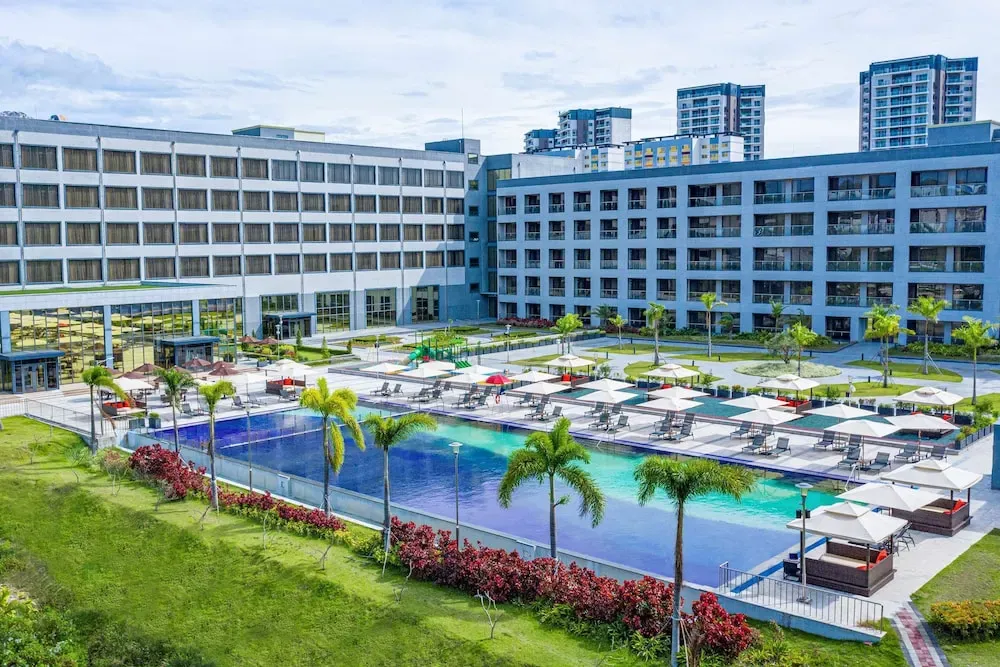
When planning your visit to experience everything this vibrant area offers, Novotel Manila Araneta City provides excellent access to all the local attractions and cultural experiences mentioned above. The strategic location makes it easy to immerse yourself in the authentic local life while having a comfortable base to return to after your adventures.
Embracing the Culinary Diversity of the Philippines
By embracing the culinary diversity of the Philippines, you not only satisfy your taste buds but also gain a deeper appreciation for the cultural heritage and traditions that shape Filipino cuisine. Join us in celebrating the flavors, stories, and experiences that define traditional Filipino cooking and create lasting memories for years to come. Let the vibrant spirit of Filipino cuisine ignite your passion for food and culture as you embark on a culinary journey like no other.
Frequently Asked Questions
What traditional Filipino dishes can I expect to learn to cook in Quezon City?
In Traditional Filipino Cooking Classes in Quezon City, you can expect to learn how to cook iconic dishes such as adobo, sinigang, kare-kare, and halo-halo. These classes often focus on using local ingredients like coconut milk, fish sauce, and tropical fruits to authentically recreate Filipino flavors. You will also learn about the cultural significance and history behind these dishes, providing a holistic culinary experience.
Are there any age restrictions for joining Traditional Filipino Cooking Classes in Quezon City?
Age restrictions for Traditional Filipino Cooking Classes in Quezon City may vary depending on the cooking school or instructor. Some classes may be open to all ages, while others may have age restrictions for safety reasons. It's best to inquire with the specific cooking class provider to determine if there are any age limitations for participants.
What is the average duration of Traditional Filipino Cooking Classes in Quezon City?
Traditional Filipino Cooking Classes in Quezon City typically last for a few hours, ranging from 2 to 4 hours per session. During this time, participants will learn how to prepare and cook traditional Filipino dishes under the guidance of experienced instructors. The duration may vary based on the complexity of the dishes being taught and the overall format of the class.
How can I travel to Quezon City in Metro Manila to attend Traditional Filipino Cooking Classes?
To reach Quezon City in Metro Manila for Traditional Filipino Cooking Classes, you can take a taxi, ride-sharing service, or public transportation like the MRT or LRT. Quezon City is easily accessible from various parts of Metro Manila, and you can also opt for a private car rental or join a guided tour that includes transportation to the cooking class location.
What is the average cost of joining Traditional Filipino Cooking Classes in Quezon City?
The average cost of joining Traditional Filipino Cooking Classes in Quezon City can range from 1,000 to 3,000 Philippine pesos per person per session. Prices may vary depending on the cooking school, class duration, included ingredients, and additional amenities. Some classes may offer discounts for group bookings or package deals for multiple sessions.
What local customs should I be aware of before attending Traditional Filipino Cooking Classes in Quezon City?
Before attending Traditional Filipino Cooking Classes in Quezon City, it's important to show respect for the instructors and fellow participants by being attentive, asking questions, and following instructions carefully. It is customary to address instructors with respect and to maintain a clean and organized cooking space. Additionally, showing appreciation for the food and culture being shared is highly valued in Filipino etiquette.
What should I bring with me for Traditional Filipino Cooking Classes in Quezon City?
When attending Traditional Filipino Cooking Classes in Quezon City, it is recommended to bring an apron, a pen and notebook for taking notes, and a container for any leftovers you may want to take home. Some classes may provide all necessary cooking utensils and ingredients, but it's always good to check with the organizer beforehand. Additionally, bringing an open mind and a willingness to learn will enhance your overall experience.
What language is spoken during Traditional Filipino Cooking Classes in Quezon City?
Traditional Filipino Cooking Classes in Quezon City are typically conducted in Filipino or English, depending on the instructor and the participants' preferences. Most instructors are fluent in both languages and can accommodate different language needs. If you have specific language requirements, it's advisable to communicate this with the cooking class provider in advance to ensure a comfortable learning environment.
What are some must-try local ingredients used in Traditional Filipino Cooking Classes in Quezon City?
In Traditional Filipino Cooking Classes in Quezon City, you will have the opportunity to work with essential local ingredients like coconut milk, fish sauce (patis), calamansi, and various tropical fruits such as mangoes and bananas. These ingredients are key components in traditional Filipino dishes and add unique flavors to the cuisine. Learning how to use and appreciate these ingredients will enrich your culinary skills and understanding of Filipino food culture.
How can I immerse myself in Filipino culinary traditions beyond Traditional Cooking Classes in Quezon City?
To further immerse yourself in Filipino culinary traditions beyond Traditional Cooking Classes in Quezon City, you can explore local markets, street food stalls, and restaurants to experience a wide variety of Filipino dishes. Participating in food tours, cooking competitions, or culinary festivals in Metro Manila can also provide deeper insights into the diverse flavors and techniques of Filipino cuisine. Engaging with local chefs and food enthusiasts will enhance your appreciation for Filipino culinary heritage.