
Introduction
Setting the Stage: The Cultural Richness of Clark Freeport Zone
The Clark Freeport Zone in Pampanga, Philippines, is a vibrant destination known for its rich cultural heritage and lively festivals. For comprehensive travel planning, visit Lonely Planet destination guides. Nestled in the heart of Central Luzon, this area offers a unique blend of Spanish, indigenous, and modern influences that come together to create a tapestry of traditions and celebrations.
The Allure of Filipino Festivals in Pampanga
Filipino festivals are a feast for the senses, filled with colorful parades, traditional dances, and mouthwatering cuisine. For additional dining recommendations, check Time Out local restaurant guides. For more cultural attractions, explore Atlas Obscura unique sites. In Pampanga, these celebrations take on a special significance, showcasing the province’s unique customs and traditions. From the Giant Lantern Festival to the Sinukwan Festival, there is no shortage of festivities to experience in this vibrant region.
Embracing the Vibrant Traditions of the Philippines
Immersing yourself in Filipino culture is a truly enriching experience. Whether you’re sampling local delicacies, participating in street dances, or learning about indigenous practices, there is so much to discover and appreciate in Pampanga. Get ready to embrace the spirit of festivity and make lasting memories in this captivating destination.
The Historical and Cultural Significance of Filipino Festivals
Spanish Influence on Filipino Festivals
The Spanish colonial period left a lasting imprint on Filipino culture, particularly in the realm of festivals. Many traditions and religious practices were introduced by the Spanish, and these elements continue to be woven into modern-day celebrations. From processions to fiestas, the influence of Spain can be seen throughout the Philippines.
Indigenous Traditions in Pampanga
Pampanga is home to a rich tapestry of indigenous cultures, each with its own unique customs and traditions. These traditions are often showcased during local festivals, providing a glimpse into the region’s cultural heritage. From traditional dances to artisanal crafts, Pampanga’s indigenous traditions add a special flavor to its festivities.
Modern Adaptations in Festival Celebrations
While rooted in tradition, Filipino festivals have also evolved over time to reflect the changing times. Modern adaptations, such as incorporating new technologies or creative interpretations of traditional practices, add a contemporary flair to these celebrations. This blending of old and new creates a dynamic and engaging festival experience.
Top Festivals in Pampanga, Philippines
Giant Lantern Festival in San Fernando
The Giant Lantern Festival, held annually in San Fernando, is a dazzling display of creativity and craftsmanship. Known locally as “Ligligan Parul,” this festival showcases giant lanterns made by skilled artisans from various barangays in the city. The intricate designs and vibrant colors of these lanterns light up the night sky, creating a mesmerizing spectacle that attracts visitors from near and far.
Sinukwan Festival in Angeles City
The Sinukwan Festival, celebrated in Angeles City, is a tribute to the Kapampangan culture and heritage. Named after the ancient Kapampangan god “Apo Sinukwan,” this festival features street dances, cultural performances, and a grand parade that highlights the province’s rich history. Visitors can immerse themselves in the sights and sounds of Kapampangan traditions during this lively celebration.
Hot Air Balloon Festival in Clark Freeport Zone
The Hot Air Balloon Festival in Clark Freeport Zone is a thrilling event that draws aviation enthusiasts and spectators alike. Held annually, this festival features hot air balloon flights, skydiving exhibitions, aerobatic shows, and more. It’s a one-of-a-kind experience that offers a unique perspective of the Clark Freeport Zone from high above the ground.
Experiencing Filipino Cuisine at Festivals
Savoring Sisig, Lechon, and Tamales
One of the highlights of attending festivals in Pampanga is sampling the Local Cuisine. From the savory flavors of sisig to the crispy goodness of lechon, there’s no shortage of delicious dishes to try. Tamales, a traditional Filipino delicacy made of rice flour and coconut milk, is another must-try treat that showcases the region’s culinary prowess.
Exploring Food Stalls and Local Delicacies
Food stalls are a common sight at Filipino festivals, offering a wide array of dishes and snacks to tantalize your taste buds. From grilled meats to sweet treats, these stalls are a treasure trove of culinary delights. Be sure to explore the local delicacies and savor the flavors of Pampanga’s vibrant food scene.
Culinary Workshops and Cooking Demonstrations
For those looking to dive deeper into Filipino cuisine, culinary workshops and cooking demonstrations are a great way to learn from local chefs and artisans. These hands-on experiences provide valuable insights into traditional cooking techniques and ingredient sourcing, giving you a taste of the rich culinary heritage of Pampanga. Many visitors staying in the Clark Freeport Zone, Pampanga area find that the central location offers easy access to both traditional and contemporary local experiences.
Weather Considerations and Seasonal Festivals
Planning for Rainy Season Festivals
The Philippines experiences a rainy season from June to November, which can impact outdoor festivals and events. It’s important to check the weather forecast and pack accordingly if you plan to attend a festival during this time. Consider bringing an umbrella, raincoat, and waterproof footwear to stay dry and comfortable during the festivities.
Enjoying Festivals in the Dry Season
The dry season in the Philippines, from December to May, is an ideal time to attend outdoor festivals and celebrations. With sunny skies and pleasant temperatures, this season offers the perfect backdrop for enjoying cultural events and exploring the beauty of Pampanga. Be sure to stay hydrated and wear sunscreen to protect yourself from the sun’s rays.
Weather-Proofing Your Festival Experience
To weather-proof your festival experience, it’s a good idea to dress in layers and be prepared for sudden changes in weather. Portable fans, hats, and sunglasses can help you stay cool and comfortable in the heat, while a lightweight rain jacket or poncho will come in handy during unexpected showers. By planning ahead and packing smart, you can make the most of your festival adventure in any weather.
Navigating Prices and Budgeting for Festivals
Average Costs for Food and Drinks
When attending festivals in Pampanga, you can expect to pay around 50-200 PHP for a meal at a local eatery or food stall. Snacks and drinks typically range from 20-100 PHP, depending on the vendor and location. Prices may vary slightly during peak festival times, so it’s a good idea to have some extra cash on hand.
Ticket Prices and Admission Fees
Admission fees for festivals in Pampanga can range from 100-500 PHP, depending on the event and activities included. Some festivals may offer discounted tickets for children, seniors, or groups, so be sure to inquire about special rates or promotions. It’s advisable to purchase tickets in advance to secure your entry and avoid long lines at the gate.
Budget-Friendly Tips for Festival-Goers
To make the most of your festival experience on a budget, consider sharing meals with friends or trying out street food vendors for affordable eats. Look for free or low-cost activities, such as cultural performances or workshops, to add value to your visit without breaking the bank. Keep an eye out for souvenir bargains and unique finds at local markets to bring home a piece of Pampanga’s culture.
Festival Etiquette and Cultural Insights
Participating in Street Dances and Processions
During festivals in the Philippines, it’s common for attendees to join in street dances and processions as a sign of respect and admiration for the local culture. If you’re invited to participate in a traditional dance or ritual, don’t be shy – embrace the opportunity to connect with the community and immerse yourself in the festivities. Remember to follow the lead of experienced dancers and show appreciation for the artistry and tradition on display.
Interacting with Locals and Learning Traditions
Engaging with locals is a great way to gain insight into the customs and traditions of Pampanga. Take the time to strike up conversations with vendors, artisans, and performers to learn more about their craft and cultural heritage. Ask questions, show genuine interest, and be open to new experiences – you’ll be rewarded with a deeper understanding of the vibrant tapestry of Filipino culture.
Respecting Religious Customs and Practices
Religion plays a significant role in Filipino culture, and many festivals have religious origins or themes. When attending religious ceremonies or processions, show reverence and respect for the traditions and beliefs of the local community. Dress modestly, follow any guidelines or instructions given by organizers, and refrain from disruptive behavior to ensure a harmonious and respectful festival experience.
Sustainable Tourism and Preservation Efforts in Pampanga
Environmental Initiatives at Festivals
As awareness of environmental issues grows, many festivals in Pampanga are implementing eco-friendly practices to reduce waste and promote sustainability. From recycling programs to biodegradable food containers, these initiatives aim to minimize the carbon footprint of events and protect the natural beauty of the region. Support these efforts by participating in clean-up activities and practicing responsible tourism habits during your visit.
Cultural Heritage Conservation Projects
Preserving cultural heritage is a priority in Pampanga, where traditional crafts and practices are cherished and celebrated. Conservation projects aim to safeguard historical sites, artifacts, and intangible cultural heritage for future generations to enjoy. By supporting local artisans, cultural institutions, and heritage organizations, you can contribute to the ongoing preservation and promotion of Pampanga’s rich cultural legacy.
Supporting Local Artisans and Communities
One of the best ways to support sustainable tourism in Pampanga is by purchasing locally made crafts, products, and souvenirs. By buying directly from artisans and community cooperatives, you help sustain traditional livelihoods and promote economic empowerment in the region. Look for handmade items, traditional textiles, and unique gifts that reflect the cultural heritage of Pampanga – your purchases can make a positive impact on the local economy and cultural heritage preservation.
Transportation Options and Accessibility in Pampanga
Getting Around Clark Freeport Zone
Clark Freeport Zone is easily accessible by car, taxi, or public transportation, with well-maintained roads and clear signage to guide visitors. Tricycles and jeepneys are popular modes of transportation for short distances, while buses and vans provide convenient options for longer journeys. Consider renting a car or hiring a private driver for added flexibility and convenience during your festival adventure.
Public Transportation Tips for Festival-Goers
If you plan to use public transportation to attend festivals in Pampanga, be prepared for crowded buses and long queues during peak times. Plan your route in advance, arrive early to secure a seat, and be mindful of your belongings while on board. Follow any safety guidelines provided by transport operators and be respectful of fellow passengers to ensure a smooth and hassle-free journey.
Renting Cars and Hiring Private Drivers for Convenience
For travelers seeking a more comfortable and convenient transportation option, renting a car or hiring a private driver can be a great choice. This allows you to explore Pampanga at your own pace and avoid the hassle of navigating public transportation networks. Be sure to book in advance, compare rates from reputable providers, and familiarize yourself with local traffic rules and regulations for a stress-free driving experience.
Insider Tips and Unique Experiences in Pampanga
Must-See Highlights Beyond Festivals
While festivals are a highlight of any visit to Pampanga, the region offers a wealth of attractions and activities to explore year-round. From historical landmarks like Mount Pinatubo and Nayong Pilipino to natural wonders like Sacobia River and Mount Arayat, there’s something for every traveler to discover. Don’t miss the chance to visit local markets, museums, and heritage sites to delve deeper into the cultural richness of Pampanga.
Hidden Gems and Off-the-Beaten-Path Attractions
If you’re looking for off-the-beaten-path experiences in Pampanga, consider venturing beyond the tourist hotspots to uncover hidden gems and lesser-known attractions. Explore quaint villages, scenic trails, and local eateries to get a taste of authentic Kapampangan culture. Engage with local communities, attend cultural workshops, and embark on eco-tours to gain a deeper appreciation for the diverse landscapes and traditions of Pampanga.
Where to Stay
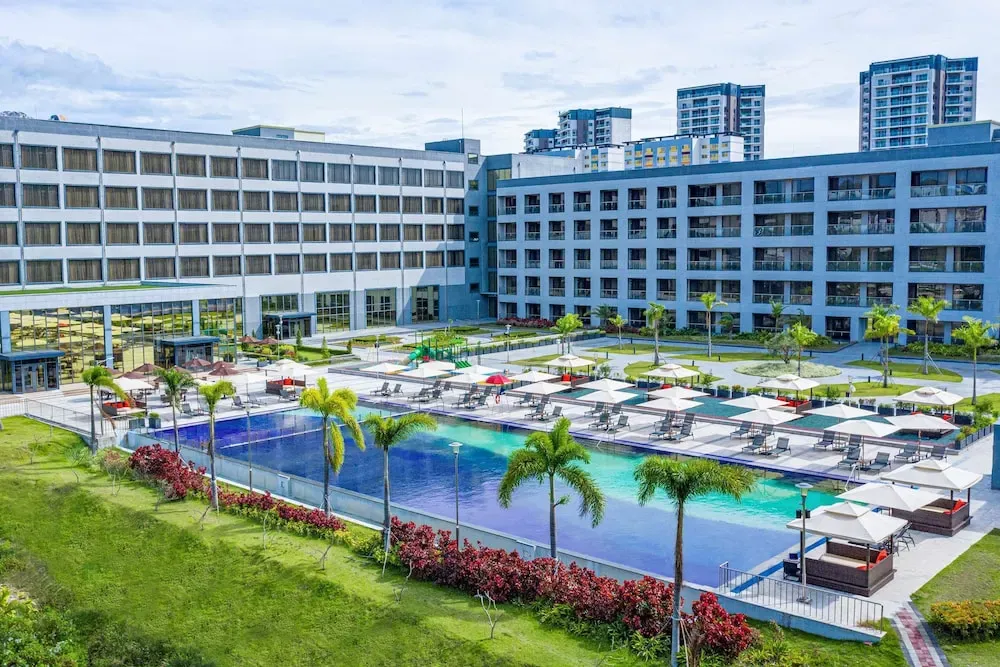
When planning your visit to experience everything this vibrant area offers, Hilton Clark Sun Valley Resort provides excellent access to all the local attractions and cultural experiences mentioned above. The strategic location makes it easy to immerse yourself in the authentic local life while having a comfortable base to return to after your adventures.
Personal Recommendations for a Memorable Festival Experience
As a local expert in Pampanga, I recommend embracing the festive spirit of the region by immersing yourself in the sights, sounds, and flavors of Filipino culture. Attend as many festivals as you can, try new foods, and engage with locals to create lasting memories and connections. Don’t be afraid to step out of your comfort zone and explore all that Pampanga has to offer – you’ll be rewarded with a truly unforgettable festival experience that will stay with you long after you’ve returned home.
Conclusion
Reflecting on the Beauty and Diversity of Filipino Festivals
Exploring the festivals of Pampanga is a journey of discovery and delight, where you’ll encounter a kaleidoscope of colors, flavors, and traditions that celebrate the richness of Filipino culture. From the intricate lanterns of San Fernando to the lively dances of Angeles City, each festival offers a unique window into the heart and soul of the Philippines.
Encouraging Continued Exploration and Cultural Immersion
As you reflect on your festival experiences in Pampanga, I encourage you to continue your exploration of Filipino culture and heritage. Take the time to learn more about the customs, traditions, and history of the region, and consider how you can support sustainable tourism practices and community initiatives that preserve and promote the cultural legacy of Pampanga.
Embracing the Spirit of Festivity in the Heart of Pampanga
Whether you’re a first-time visitor or a seasoned traveler, there’s something magical about the festivals of Pampanga that captures the imagination and leaves a lasting impression. Embrace the spirit of festivity, connect with the local community, and savor every moment of your festival adventure in this dynamic and culturally rich destination. Your journey awaits – let the celebrations begin!
Frequently Asked Questions
What are some of the most popular festival celebrations in Clark Freeport Zone, Pampanga?
Some of the most popular festival celebrations in Clark Freeport Zone, Pampanga include the Giant Lantern Festival, the Hot Air Balloon Festival, and the Sisig Festival. These festivals showcase the vibrant culture and traditions of the Philippines, with colorful parades, traditional dances, and delicious food.
How can I get to Clark Freeport Zone in Pampanga for the festival celebrations?
You can reach Clark Freeport Zone in Pampanga by taking a bus, taxi, or private car from Manila. The journey takes around 1-2 hours depending on traffic conditions. Once in the Freeport Zone, you can easily access the festival venues by walking or taking local transportation.
What is the cost of attending festival celebrations in Clark Freeport Zone?
The cost of attending festival celebrations in Clark Freeport Zone can vary depending on the event and activities you choose to participate in. Some festivals may be free to attend, while others may have ticketed events or require a small entrance fee. It's a good idea to check the official festival websites for specific pricing information.
What are some cultural customs I should be aware of when attending festival celebrations in the Philippines?
When attending festival celebrations in the Philippines, it's important to show respect for local customs and traditions. Make sure to dress modestly, remove your shoes before entering homes or sacred spaces, and greet elders with a respectful 'po' or 'opo'. Be open to trying traditional Filipino foods and participating in cultural activities to fully immerse yourself in the experience.
Are there any specific items I should bring with me to festival celebrations in Clark Freeport Zone?
When attending festival celebrations in Clark Freeport Zone, it's a good idea to bring sunscreen, a hat, and comfortable walking shoes. You may also want to bring a camera to capture the colorful parades and performances. Don't forget to bring some cash for food, souvenirs, and any entrance fees that may apply.
What local dishes can I expect to try at festival celebrations in Clark Freeport Zone?
At festival celebrations in Clark Freeport Zone, you can expect to try delicious Filipino dishes such as sisig, adobo, lechon, and halo-halo. These dishes are popular in Pampanga and showcase the rich culinary heritage of the Philippines. Be sure to sample as many dishes as you can to fully experience the flavors of Filipino cuisine.
How can I navigate language barriers at festival celebrations in the Philippines?
While English is widely spoken in the Philippines, you may encounter some language barriers at festival celebrations in Clark Freeport Zone, especially in more rural areas. It's helpful to learn a few basic Filipino phrases such as 'salamat' (thank you) and 'paumanhin' (excuse me) to communicate with locals. You can also use gestures and body language to overcome language obstacles.
What is the local currency in the Philippines and what payment methods are commonly accepted at festival celebrations?
The local currency in the Philippines is the Philippine Peso (PHP). At festival celebrations in Clark Freeport Zone, you can use cash for most transactions, although some vendors may accept credit cards. It's a good idea to have some small bills on hand for purchasing food, drinks, and souvenirs at the festivals.


