
Discovering the Vibrant Art Scene of Baguio City, Philippines
Welcome to Baguio City, the artistic hub of the Philippines where creativity thrives and cultural heritage is celebrated. For additional dining recommendations, check Time Out local restaurant guides. For more cultural attractions, explore Atlas Obscura unique sites. For comprehensive travel planning, visit Lonely Planet destination guides. In this comprehensive guide, we’ll take you on a journey through the art galleries, studios, and cultural experiences that make Baguio City a must-visit destination for art enthusiasts. Let’s dive into the rich history, unique experiences, and insider tips that will help you make the most of your visit to this vibrant city.
Historical and Cultural Context of Art in Baguio City
American Colonial Influence on Baguio’s Art Scene
Baguio City’s art scene traces its roots back to the American colonial period when the city served as a retreat for American artists and writers seeking inspiration in its cool climate and natural beauty. The influence of Western art traditions can still be seen in the city’s galleries and studios, creating a unique blend of cultures and artistic styles.
Indigenous Filipino Art Traditions in Baguio City
Despite the colonial influence, Baguio City also has a rich indigenous art heritage that is deeply rooted in Filipino culture. Local artists draw inspiration from traditional motifs, materials, and techniques, showcasing the unique artistic traditions of the Cordillera region in their works.
Role of Art in Philippine Cultural Identity
Art plays a crucial role in shaping the cultural identity of the Philippines, reflecting the country’s diverse heritage and traditions. In Baguio City, art serves as a medium for storytelling, preserving cultural heritage, and fostering community connections. The city’s art scene is a vibrant reflection of Filipino creativity and talent.
Top Art Galleries and Studios in Baguio City

Tam-awan Village: Preserving Indigenous Art Forms
Located at 366-C Pinsao Proper, Tam-awan Village is a cultural village that showcases indigenous art forms and traditions of the Cordillera region. Visitors can explore traditional Ifugao huts, attend art workshops, and interact with local artists to learn more about the rich cultural heritage of the Philippines.
Arca’s Yard: A Fusion of Art, Food, and Nature
Nestled at 777 Tiptop, Ambuklao Road, Arca’s Yard is a hidden gem that combines art, food, and nature in a picturesque setting. The gallery features a diverse collection of artworks, a cozy café serving local delicacies, and a lush garden where visitors can relax and soak in the creative ambiance.
BenCab Museum: A Showcase of Contemporary Filipino Art
Perched in Tuba, Benguet, the BenCab Museum is a world-renowned institution that houses the works of National Artist Benedicto Cabrera. The museum features a stunning collection of contemporary Filipino art, showcasing the diverse styles and techniques of Filipino artists. Visitors can also enjoy panoramic views of the surrounding mountains from the museum’s terrace.
Seasonal Considerations and Climate in Baguio City
Best Times to Visit for Art Enthusiasts
For art enthusiasts, the best time to visit Baguio City is during the summer months when the city comes alive with art festivals, exhibitions, and workshops. The cooler climate makes it a pleasant escape from the heat of the lowlands, allowing visitors to explore the city’s galleries and studios comfortably.
Dressing Appropriately for Baguio’s Cool Climate
Due to its high elevation, Baguio City experiences cooler temperatures compared to other parts of the Philippines. It’s advisable to pack layers of clothing, including sweaters, jackets, and scarves, to stay warm and comfortable while exploring the city’s art scene.
Planning Around Peak Tourist Seasons
Baguio City can get crowded during peak tourist seasons, such as the Panagbenga Festival in February and the Christmas holidays. To avoid the crowds and enjoy a more relaxed experience, consider visiting during the off-peak months when the city is quieter and less congested.
Practical Details and Insider Tips for Art Lovers
Admission Fees and Operating Hours of Art Galleries
Admission fees to art galleries and museums in Baguio City typically range from 100 to 200 Philippine pesos, with discounts available for students and senior citizens. Operating hours vary depending on the gallery, so it’s recommended to check their websites or contact them directly for the most up-to-date information. Many visitors staying in the Baguio City, Benguet area find that the central location offers easy access to both traditional and contemporary local experiences.
Buying Artworks and Souvenirs in Baguio City
Artworks and souvenirs are available for purchase at most galleries and studios in Baguio City, ranging in price from affordable prints to high-end masterpieces. When buying artworks, be sure to ask about the artist’s background, inspiration, and techniques to gain a deeper appreciation for the piece.
Interacting with Local Artists and Gallery Staff
Engaging with local artists and gallery staff can enhance your art experience in Baguio City. Many artists are open to discussing their works, sharing their creative process, and offering insights into Filipino art and culture. Don’t be afraid to ask questions and show your appreciation for their talent.
Recent Developments in Baguio’s Art Scene
Rise of Contemporary Art in Baguio City
In recent years, Baguio City has witnessed a surge in contemporary art, with local artists exploring new styles, mediums, and themes. The city’s art galleries and studios are embracing modern trends and pushing the boundaries of traditional art forms, creating a dynamic and evolving artistic landscape.
Incorporation of Indigenous Art Forms in Modern Works
Local artists in Baguio City are increasingly incorporating indigenous art forms and motifs into their contemporary works, bridging the gap between tradition and innovation. By blending traditional techniques with modern aesthetics, artists are preserving cultural heritage and promoting cross-cultural exchange.
Emerging Trends in Filipino Artistic Expression
Filipino artists are exploring diverse themes and concepts in their works, reflecting the social, political, and environmental issues facing the country. From environmental conservation to social justice, Filipino art is a powerful medium for expressing cultural identity, advocating for change, and inspiring dialogue within the community.
Safety and Transportation in Baguio City
Ensuring Personal Safety in Tourist Areas
Baguio City is generally safe for tourists, but it’s important to exercise caution and be mindful of your surroundings. Avoid flashing expensive belongings, stay in well-lit areas at night, and be cautious of pickpockets in crowded places. By staying vigilant and aware, you can enjoy a safe and memorable art experience in the city.
Using Public Transportation in Baguio City
Public transportation options in Baguio City include taxis, jeepneys, and buses, providing convenient ways to navigate the city’s streets and alleys. Taxis are readily available for hire, while jeepneys offer a more affordable and authentic mode of transport. Be sure to negotiate fares before boarding and ask locals for directions if needed.
Navigating Baguio’s Streets and Alleys Safely
Baguio City’s streets and alleys can be narrow and winding, so it’s essential to exercise caution when walking or driving around the city. Watch out for traffic, follow pedestrian rules, and be respectful of local customs and traditions. By being mindful of your surroundings, you can explore Baguio City safely and responsibly.
Unique Experiences and Cultural Festivals in Baguio City
Participating in Art Workshops and Classes
Many art galleries and studios in Baguio City offer workshops and classes for visitors to learn new skills, techniques, and creative processes. Whether you’re a beginner or an experienced artist, participating in these sessions can be a fun and enriching way to engage with Filipino art and culture.
Immersing Yourself in Panagbenga Festival Celebrations
The Panagbenga Festival, held every February in Baguio City, is a vibrant celebration of flowers, art, and culture. The festival features colorful parades, street dancing, and art exhibitions that showcase the creativity and talent of local artists. Don’t miss this annual event that highlights the beauty and diversity of Filipino artistry.
Exploring Traditional Filipino Art at Local Markets
Local markets in Baguio City offer a treasure trove of traditional Filipino art, crafts, and souvenirs that reflect the country’s rich cultural heritage. From handwoven textiles to intricate woodcarvings, these markets provide a window into the artistic traditions of the Philippines and offer unique mementos to take home.
Insider Recommendations and Expert Insights
Local Artist Quotes on Baguio’s Creative Scene
“Baguio City is a melting pot of creativity and inspiration, where artists from diverse backgrounds come together to share their stories and visions. The city’s art scene is a reflection of our cultural heritage, blending tradition with innovation to create unique and captivating works of art.” – Local Artist
Tips for Engaging with Filipino Art and Artists
When exploring the art scene in Baguio City, be open to new experiences, ask questions, and show genuine interest in the works of local artists. By engaging with Filipino art and artists, you can gain a deeper understanding of the country’s cultural identity, traditions, and creative spirit.
Where to Stay
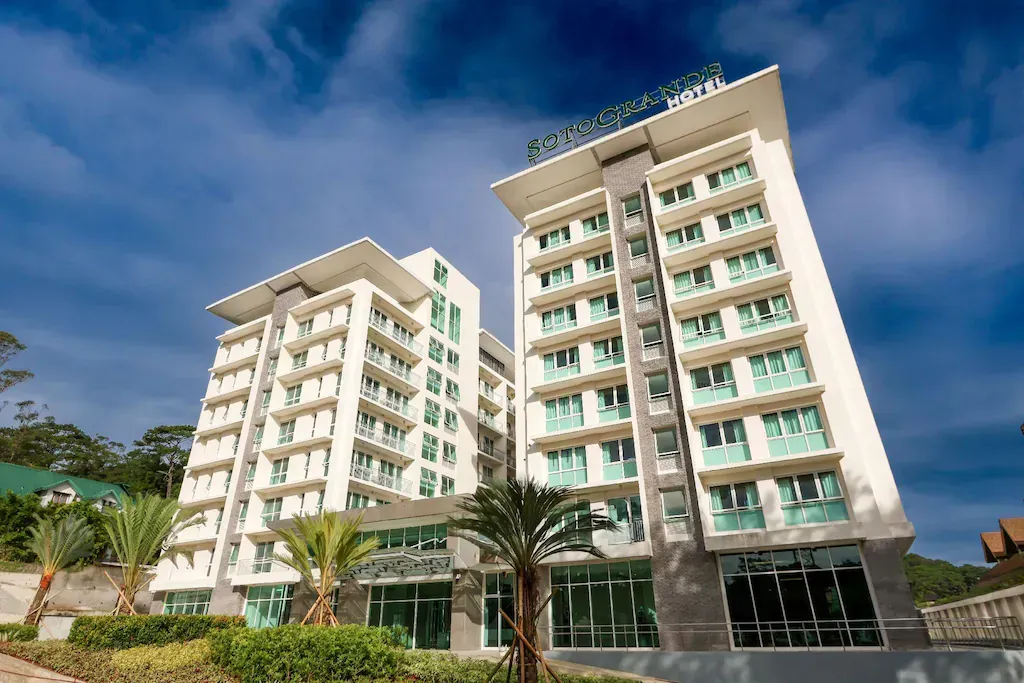
When planning your visit to experience everything this vibrant area offers, Sotogrande Hotel Baguio provides excellent access to all the local attractions and cultural experiences mentioned above. The strategic location makes it easy to immerse yourself in the authentic local life while having a comfortable base to return to after your adventures.
Must-Visit Art Galleries and Studios Recommended by Experts
Experts recommend visiting Tam-awan Village, Arca’s Yard, and BenCab Museum for a diverse and immersive art experience in Baguio City. These venues showcase the best of traditional, contemporary, and indigenous Filipino art, providing insights into the city’s creative landscape and cultural heritage.
Conclusion: Embracing the Artistic Soul of Baguio City
As we conclude our exploration of Baguio City’s art scene, we invite you to immerse yourself in the city’s vibrant culture, creativity, and heritage. From traditional art forms to contemporary expressions, Baguio offers a diverse and dynamic art experience that will leave you inspired and enriched. We encourage you to support local artists, explore the city’s galleries and studios, and preserve Filipino cultural heritage for future generations. Come and discover the artistic soul of Baguio City, where creativity knows no bounds and imagination takes flight.
Frequently Asked Questions
What are some popular art galleries and studios to visit in Baguio City, Philippines?
Some popular art galleries and studios in Baguio City include Tam-awan Village, BenCab Museum, Ili-Likha Artists Village, and Arca's Yard. These venues showcase a diverse range of artworks, from traditional to contemporary pieces, created by local artists. Visitors can immerse themselves in the rich artistic culture of Baguio City by exploring these unique spaces.
How can I support local artists in Baguio City, Philippines?
One way to support local artists in Baguio City is by purchasing their artworks directly from art galleries and studios. By buying art pieces, you not only appreciate the talent and creativity of Filipino artists but also contribute to the local art scene. Additionally, attending art events, exhibitions, and workshops organized by galleries and studios is another great way to show your support.
What is the significance of traditional Filipino art forms in Baguio City, Philippines?
Traditional Filipino art forms, such as weaving, wood carving, and pottery, hold great cultural significance in Baguio City. These art forms are not only expressions of creativity but also reflections of the country's rich heritage and traditions. By exploring and appreciating traditional Filipino art, visitors can gain a deeper understanding of the local culture and history of Baguio City.
What is the average cost of visiting art galleries and studios in Baguio City, Philippines?
The average cost of visiting art galleries and studios in Baguio City varies depending on the venue and any special exhibitions or events happening at the time. Generally, entrance fees range from PHP 50 to PHP 200 per person. Some galleries may offer discounted rates for students or senior citizens. Additionally, purchasing artworks or souvenirs from the galleries will incur additional costs.
What are some local customs to be aware of when visiting art galleries and studios in Baguio City, Philippines?
When visiting art galleries and studios in Baguio City, it is important to show respect for the artworks and the artists. Avoid touching the art pieces unless permitted, and refrain from taking photos if prohibited. It is also customary to greet the gallery staff or artists with a friendly 'hello' or 'good day' as a sign of respect. Remember to follow any rules or guidelines set by the venue to ensure a pleasant experience for everyone.
What should I bring with me when visiting art galleries and studios in Baguio City, Philippines?
When visiting art galleries and studios in Baguio City, it is recommended to bring a camera or smartphone for capturing memories (if allowed), a notebook and pen for jotting down your thoughts on the artworks, and some cash for purchasing souvenirs or supporting local artists. Comfortable walking shoes are also advisable, as you may need to explore multiple galleries in one day.
What are some cultural etiquettes to keep in mind when engaging with local artists in Baguio City, Philippines?
When engaging with local artists in Baguio City, it is important to show genuine interest in their work and ask thoughtful questions about their artistic process. Complimenting their creations and expressing appreciation for their talent is also a good way to Connect with them. Remember to be respectful of their time and space, and avoid interrupting them while they are working or exhibiting their art.
Where can I find unique artworks and crafts made by indigenous tribes in Baguio City, Philippines?
To discover unique artworks and crafts made by indigenous tribes in Baguio City, you can visit the Easter Weaving Room, which showcases traditional handwoven textiles created by the Cordillera tribes. You can also explore the Baguio City Public Market for a wide selection of locally-made handicrafts, jewelry, and souvenirs crafted by indigenous artisans. These items not only make for meaningful gifts but also support the preservation of indigenous culture.

