Unveiling the Rich History of Baguio Cathedral
Setting the Scene: A Glimpse into the Cultural Tapestry of the Philippines
The Philippines is a country rich in history and cultural diversity. From its indigenous roots to centuries of Spanish colonization and American influence, the Philippines is a melting pot of traditions and customs. One of the most iconic symbols of this cultural tapestry is the Baguio Cathedral, also known as Our Lady of the Atonement Cathedral.
The Allure of Baguio Cathedral: A Historical Gem in Benguet

Nestled in the heart of Baguio City, Benguet, the Baguio Cathedral stands as a testament to the country’s strong Roman Catholic heritage. For more cultural attractions, explore Atlas Obscura unique sites. For comprehensive travel planning, visit Lonely Planet destination guides. With its unique architecture and spiritual significance, the cathedral draws locals and tourists alike to its hallowed halls.
Historical Context of Baguio Cathedral
Tracing the Roots of Baguio Cathedral
The establishment of Baguio Cathedral dates back to 1907, during the American colonial period in the Philippines. The cathedral was built to serve the growing Catholic community in Baguio City, which was then a burgeoning hill station for American expatriates.
The American Colonial Influence on the Establishment of Baguio Cathedral
Under the guidance of American architects and engineers, the Baguio Cathedral was designed to reflect a blend of traditional Filipino and Spanish colonial influences. The cathedral’s intricate stained glass windows and ornate interior decorations showcase the craftsmanship of local artisans.
Renovations and Restorations: Preserving the Heritage of Baguio Cathedral
Over the years, the Baguio Cathedral has undergone several renovations and restorations to maintain its historical integrity. Major repairs were carried out after World War II, ensuring that the cathedral remains a symbol of faith and resilience for the community.
Cultural Significance of Baguio Cathedral in Philippines
Embracing the Cultural Tapestry of Baguio Cathedral
One of the most striking features of Baguio Cathedral is its unique architectural style, which seamlessly blends traditional Filipino elements with Spanish colonial motifs. For additional dining recommendations, check Time Out local restaurant guides. The cathedral’s facade, adorned with intricate carvings and statues, reflects the cultural diversity of the Philippines.
Architectural Marvels: Blending Traditional Filipino and Spanish Influences
Visitors to Baguio Cathedral are captivated by its grandeur and beauty. The cathedral’s towering spires, colorful stained glass windows, and ornate altars create a sense of awe and reverence for the faithful.
Pilgrimage and Festivities: The Spiritual Essence of Baguio Cathedral
Throughout the year, the Baguio Cathedral hosts religious events and festivities that attract pilgrims and worshippers from near and far. From traditional processions to solemn masses, the cathedral serves as a spiritual sanctuary for those seeking solace and connection with the divine.
Exploring Baguio City: Insider Knowledge
Local Insights into Baguio Cathedral
For the residents of Baguio City, the Baguio Cathedral holds a special place in their hearts. Weddings, baptisms, and other religious ceremonies are frequently held at the cathedral, bringing the community together in celebration and prayer. Many visitors staying in the Baguio City, Benguet area find that the central location offers easy access to both traditional and contemporary local experiences.
Serene Surroundings: Session Road and Burnham Park
Adjacent to the Baguio Cathedral are the bustling streets of Session Road and the tranquil greenery of Burnham Park. Visitors can explore the vibrant markets, cafes, and shops along Session Road, or take a leisurely stroll through the park’s manicured gardens and boating lagoon.
Practical Details and Safety Considerations
Navigating Baguio City with Ease
Located along Session Road in Baguio City, Our Lady of the Atonement Cathedral is easily accessible by public transportation, including jeepneys and taxis. Visitors should be mindful of their belongings and avoid walking alone at night.
Safety Tips for Visitors: Enjoying Baguio Cathedral Responsibly
When visiting the Baguio Cathedral, it is important to respect the religious customs and traditions of the site. Dress modestly and refrain from disruptive behavior during religious services to ensure a peaceful and respectful atmosphere for all worshippers.
Experience Baguio Cathedral: Personal Insights
Immersive Encounters at Baguio Cathedral
Attending mass at the Baguio Cathedral is a profound experience that allows visitors to connect with their faith and spirituality. The solemn rituals, uplifting hymns, and serene surroundings create a sense of peace and tranquility for worshippers.
Captivating Views: Soaking in the Beauty of Baguio Cathedral
As the sun sets over Baguio City, the Baguio Cathedral is bathed in a warm glow that highlights its architectural splendor. Visitors can admire the intricate details of the cathedral’s facade and interior, capturing the timeless beauty of this cultural landmark.
Expert Voices from Baguio City
Local Perspectives on Baguio Cathedral
For the residents of Baguio City, the Baguio Cathedral is more than just a place of worship—it is a symbol of their heritage and identity. Efforts to preserve and restore the cathedral’s historical significance reflect the community’s commitment to honoring their past and embracing their future.
Community Engagement: Baguio Cathedral as a Cultural Hub
Through various cultural events and activities, the Baguio Cathedral serves as a gathering place for locals and tourists to celebrate their shared faith and traditions. From art exhibits to music performances, the cathedral fosters a sense of unity and connection among its diverse visitors.
Actionable Recommendations for Visitors
Making the Most of Your Visit to Baguio Cathedral
For those planning a trip to Baguio City, consider visiting the Baguio Cathedral during the dry season from November to April for the best weather conditions. Be respectful of the religious customs and practices observed at the cathedral to ensure a meaningful and enriching experience.
Cultural Etiquette: Navigating Religious Customs at Baguio Cathedral
When entering the Baguio Cathedral, remember to dress modestly and behave respectfully during religious services. Avoid loud conversations or photography that may disrupt the solemn atmosphere of the cathedral, allowing all worshippers to pray and reflect in peace.
Conclusion
Embracing the Spirit of Baguio Cathedral
As we reflect on the rich history and cultural significance of the Baguio Cathedral, we are reminded of the enduring legacy of faith and tradition that defines the Philippines. By experiencing the timeless beauty of the cathedral, we honor the past and embrace the future with a renewed sense of reverence and gratitude.
Call-to-Action: Experience the Timeless Beauty of Baguio Cathedral
Plan your visit to the Baguio Cathedral and immerse yourself in the spiritual essence of this historical gem. Explore the vibrant culture and traditions of the Philippines as you journey through the hallowed halls of the cathedral, connecting with the divine and the community that reveres it.
Where to Stay
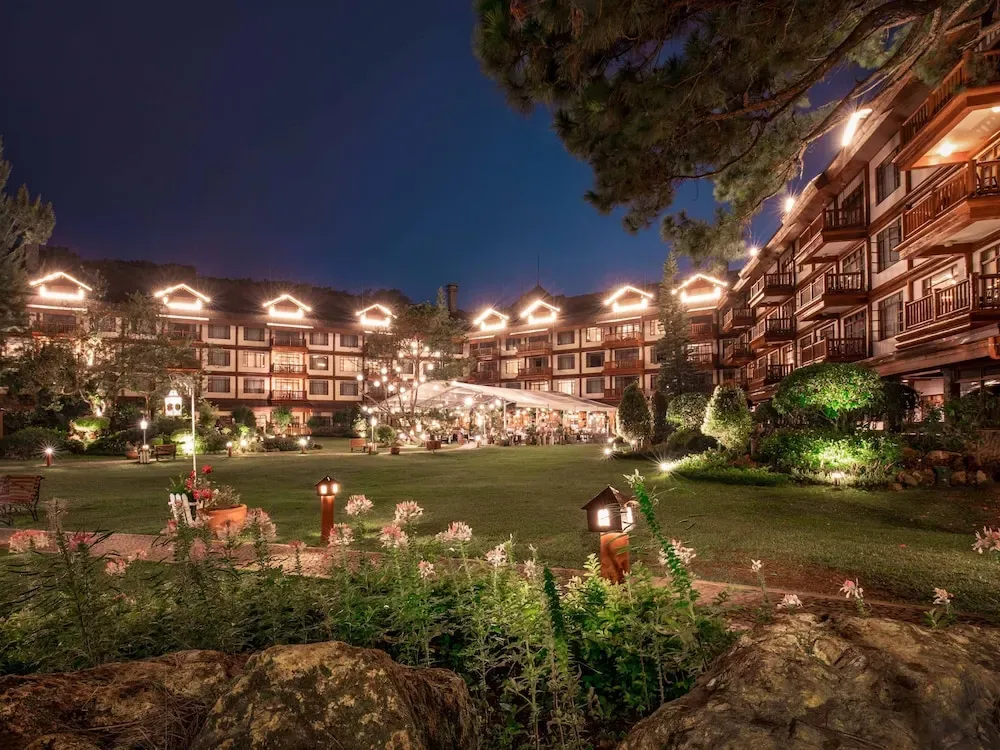
When planning your visit to experience everything this vibrant area offers, The Manor at Camp John Hay provides excellent access to all the local attractions and cultural experiences mentioned above. The strategic location makes it easy to immerse yourself in the authentic local life while having a comfortable base to return to after your adventures.
Frequently Asked Questions
What is the historical significance of Baguio Cathedral in the Philippines?
Baguio Cathedral, also known as Our Lady of the Atonement Cathedral, was established in by the American colonial government in the Philippines. It has undergone renovations and repairs over the years, including after World War II. The cathedral is a symbol of the country's strong Roman Catholic heritage and serves as a significant historical landmark in Baguio City, Benguet, Philippines.
What architectural features make Baguio Cathedral unique?
Baguio Cathedral's architecture reflects a blend of traditional Filipino and Spanish colonial influences. It features stained glass windows, intricate interior designs, and a distinctive bell tower. The cathedral's design is a testament to the cultural heritage and religious traditions of the Philippines.
How can I access Baguio Cathedral for a historical walking tour in Baguio City, Benguet?
Baguio Cathedral is located in Baguio City, Benguet, Philippines, and is easily accessible by car, taxi, or public transportation. Visitors can reach the cathedral by taking a jeepney or taxi from various points in the city. The cathedral is a prominent landmark in Baguio City, making it easy to find and explore on foot for a historical walking tour.
What is the cost of joining a historical walking tour of Baguio Cathedral in the Philippines?
The cost of joining a historical walking tour of Baguio Cathedral may vary depending on the tour operator and the inclusions of the tour. On average, a guided walking tour of the cathedral may range from 500 to Philippine pesos per person. Some tours may include additional fees for entrance to certain areas or for special services. It is recommended to check with the tour operator for specific pricing details.
What local customs should I be aware of before joining a historical walking tour of Baguio Cathedral in the Philippines?
Before joining a historical walking tour of Baguio Cathedral, visitors should be respectful of the religious significance of the site. It is customary to dress modestly and behave respectfully while inside the cathedral. Visitors should also be mindful of any ongoing religious services or ceremonies that may be taking place during their visit. Taking photos may be allowed in certain areas, but it is important to ask for permission and respect any restrictions.
What language is spoken during historical walking tours of Baguio Cathedral in the Philippines?
English and Filipino are commonly spoken languages during historical walking tours of Baguio Cathedral in the Philippines. Tour guides may provide information in both languages to accommodate a diverse group of visitors. Visitors who speak other languages may consider hiring a private guide or using translation apps to enhance their tour experience.
What are some recommended items to bring for a historical walking tour of Baguio Cathedral in the Philippines?
For a historical walking tour of Baguio Cathedral, visitors should consider bringing comfortable walking shoes, sunscreen, a hat, and a bottle of water. It is also recommended to bring a camera or smartphone to capture the beautiful architecture and surroundings of the cathedral. Depending on the weather, an umbrella or raincoat may be useful, as Baguio City can experience sudden rain showers.
What transportation options are available for reaching Baguio Cathedral in the Philippines?
Visitors to Baguio Cathedral in Baguio City, Benguet, Philippines can access the site by car, taxi, or public transportation. Jeepneys, a popular mode of public transportation in the Philippines, can take visitors to the cathedral from various points in the city. Taxis are also readily available for those who prefer a more convenient and direct option. Walking from nearby areas is another option for those looking to explore on foot.