
Introduction
Setting the Scene in Baguio City
Baguio City, nestled in the lush mountains of Benguet, is a vibrant hub of culture and tradition in the Philippines. For more cultural attractions, explore Atlas Obscura unique sites. Known for its cool climate, stunning landscapes, and rich artistic heritage, Baguio City is a must-visit destination for travelers seeking to immerse themselves in Filipino culture.
The Rich Cultural Tapestry of Benguet
Benguet province is home to a diverse array of indigenous tribes, each with their own unique traditions and customs. For comprehensive travel planning, visit Lonely Planet destination guides. The rich cultural tapestry of Benguet is reflected in the colorful festivals and celebrations that take place throughout the year, offering visitors a glimpse into the vibrant heritage of the region.
The Significance of Festivals in Filipino Culture
Festivals play a crucial role in Filipino culture, serving as a way to honor traditions, express gratitude, and strengthen community bonds. These events are marked by lively parades, traditional dances, music, and culinary delights, showcasing the diverse cultural heritage of the Philippines.
Historical Background of Baguio City
Indigenous Traditions in Benguet
Before the arrival of the Spanish colonizers, the indigenous tribes of Benguet had their own rich traditions and rituals that were deeply connected to the land and nature. These traditions continue to influence the cultural landscape of Baguio City and are celebrated in various festivals throughout the year.
Spanish Influence on Filipino Festivals
With the arrival of the Spanish colonizers in the Philippines, Catholicism was introduced, leading to the integration of religious practices into indigenous festivals. Many Filipino festivals today have a mix of indigenous and Catholic elements, showcasing the blending of cultures in the region.
Evolution of Festivals in Baguio City
Over the years, festivals in Baguio City have evolved to incorporate modern elements while still honoring traditional practices. The fusion of old and new creates a unique and dynamic festival experience that attracts visitors from all over the world.
Panagbenga Festival: The Flower Festival of Baguio City
Origins and Meaning of Panagbenga
The Panagbenga Festival, also known as the Flower Festival, is a month-long celebration held in February to showcase the vibrant blooms of Baguio City. For additional dining recommendations, check Time Out local restaurant guides. The festival’s name is derived from the Kankanaey term “panagbenga,” which means “season of blooming.”
Must-See Events and Activities
During the Panagbenga Festival, visitors can enjoy a variety of events and activities, including grand street parades, floral floats, traditional dances, and music performances. The highlight of the festival is the Grand Float Parade, where elaborate floats adorned with colorful flowers parade through the streets of Baguio City.
Insider Tips for Enjoying Panagbenga
For the best experience at the Panagbenga Festival, arrive early to secure a good viewing spot along Session Road, the main parade route. Don’t forget to bring a camera to capture the stunning floral displays and colorful performances that make the festival a truly unforgettable experience.
Ibaloy Festival: Celebrating Indigenous Culture in Benguet
Honoring the Ibaloy Heritage
The Ibaloy Festival is a celebration of the indigenous Ibaloy culture in Benguet, featuring traditional dances, music, and culinary delights. This festival provides a unique opportunity to learn about the rich heritage and traditions of the Ibaloy people. Many visitors staying in the Baguio City, Benguet area find that the central location offers easy access to both traditional and contemporary local experiences.
Cultural Performances and Traditions
During the Ibaloy Festival, visitors can witness captivating cultural performances, such as the traditional “tayaw” dance and “salip” music. These performances showcase the artistry and creativity of the Ibaloy people, highlighting their deep connection to their cultural roots.
Connecting with the Local Community
Attending the Ibaloy Festival is a great way to connect with the local community and gain a deeper understanding of their customs and traditions. Visitors are encouraged to participate in the festivities, support local artisans, and immerse themselves in the vibrant culture of Benguet.
Practical Information for Visitors to Baguio City
Weather and What to Pack
Baguio City enjoys a cooler climate with temperatures ranging from 15-26 degrees Celsius. Visitors should pack layers to stay comfortable during the day and evening events, as the weather can be unpredictable.
Transportation Options in Baguio City
Public transportation options in Baguio City include jeepneys and taxis, which are convenient and affordable ways to get around the city. Visitors can also rent a car or hire a private driver for more flexibility in exploring the area.
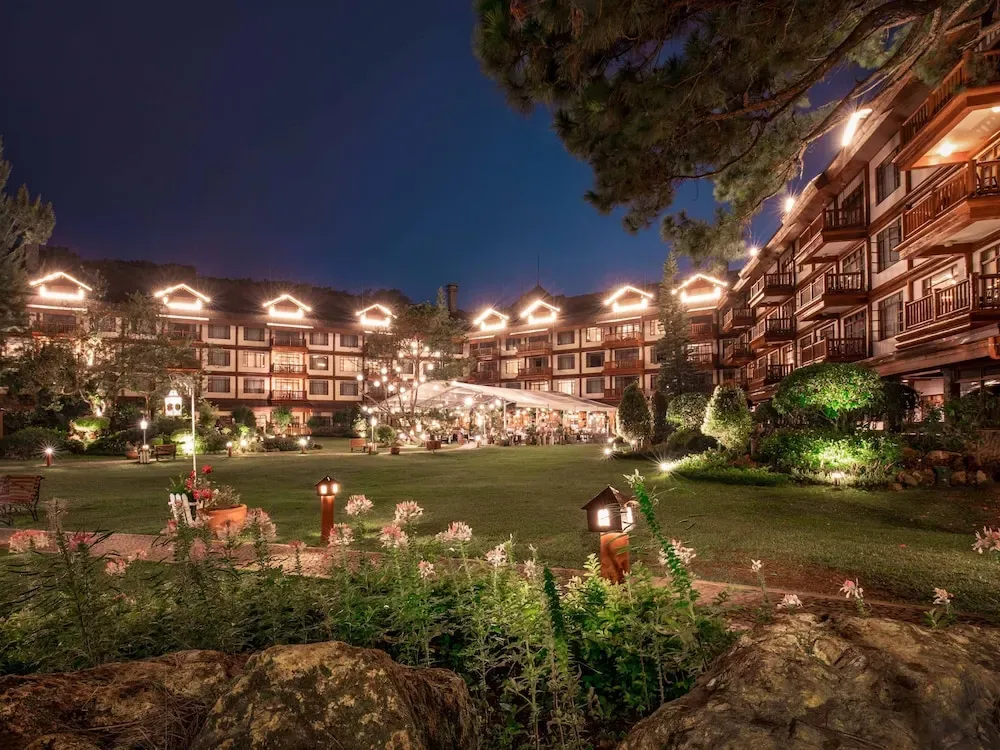
accommodation like The Manor at Camp John Hay Choices in Benguet
There are various accommodation options in Benguet, ranging from budget-friendly hostels and guesthouses to luxury resorts and hotels. Visitors can choose to stay in the city center for easy access to festival venues or opt for a more secluded retreat in the mountains.
Immersing Yourself in Filipino Festivals
Participating in Local Traditions
One of the best ways to experience Filipino festivals is to participate in local traditions, such as joining in the street parades, trying traditional foods, and attending cultural performances. By immersing yourself in the festivities, you can gain a deeper appreciation for the rich cultural heritage of the Philippines.
Trying Filipino Cuisine at Festivals
Festivals in the Philippines are a feast for the senses, offering a wide array of traditional dishes and street food to tantalize your taste buds. Don’t miss the opportunity to try local delicacies such as adobo, sinigang, and lechon during your visit to Baguio City.
Shopping for Handcrafted Souvenirs
Support local artisans and craftsmen by shopping for handcrafted souvenirs at festival markets and street stalls. From intricately woven textiles to handmade jewelry and pottery, you’ll find a treasure trove of unique gifts to take home as a memento of your time in Baguio City.
Safety and Cultural Etiquette in Baguio City
Staying Safe During Festivals
While Baguio City is generally safe for tourists, it’s important to take precautions against pickpockets and petty theft, especially in crowded festival venues. Keep your belongings secure and be aware of your surroundings to ensure a safe and enjoyable experience.
Respecting Local Customs and Traditions
Respect local customs and traditions by following dress codes, observing cultural practices, and showing courtesy to elders and community members. By demonstrating respect for the customs of the host culture, you can foster positive interactions and meaningful connections with the local community.
Interacting with Locals in Benguet
Engage with locals in Benguet by learning a few basic phrases in the local dialect, such as Kankanaey or Ibaloy. Showing an interest in the culture and traditions of the indigenous tribes will help you forge authentic connections and create lasting memories during your visit to Baguio City.
Personal Experiences at Baguio City Festivals
My Unforgettable Panagbenga Experience
One of my most cherished memories from Baguio City is attending the Panagbenga Festival and witnessing the breathtaking beauty of the floral floats and colorful street performances. The vibrant energy and festive atmosphere of the festival left a lasting impression on me and inspired me to delve deeper into the cultural heritage of the Philippines.
Exploring the Vibrant Cultural Scene of Baguio City
Exploring the vibrant cultural scene of Baguio City is a true delight for art and history enthusiasts, with numerous museums, art galleries, and cultural centers to discover. From traditional crafts to contemporary art installations, Baguio City offers a diverse array of cultural experiences that will enrich your understanding of Filipino heritage.
Making New Friends and Memories in Benguet
During my time in Benguet, I had the opportunity to connect with local artisans, performers, and community members who shared their stories and traditions with me. By immersing myself in the local culture and forging meaningful relationships, I was able to create lasting memories and friendships that will stay with me long after my visit to Baguio City.
Conclusion: Embracing the Spirit of Filipino Festivals
Reflecting on the Beauty and Diversity of Baguio City
As I reflect on my time in Baguio City and Benguet, I am struck by the beauty and diversity of the region’s cultural heritage. The festivals and celebrations I experienced showcased the rich tapestry of Filipino traditions and the warm hospitality of the local community, leaving me with a deep appreciation for the spirit of Filipino festivals.
Encouraging Others to Experience the Magic of Filipino Celebrations
I encourage travelers from around the world to experience the magic of Filipino celebrations by visiting Baguio City and immersing themselves in the vibrant festival scene. From the colorful parades to the mouthwatering cuisine, Filipino festivals offer a feast for the senses and a unique cultural experience that will stay with you long after you’ve returned home.
Where to Stay
When planning your visit to experience everything this vibrant area offers, The Manor at Camp John Hay provides excellent access to all the local attractions and cultural experiences mentioned above. The strategic location makes it easy to immerse yourself in the authentic local life while having a comfortable base to return to after your adventures.
Taking Action to Support Local Communities in Benguet
By supporting local artisans, performers, and community initiatives in Benguet, travelers can make a positive impact on the region’s economy and cultural heritage. Whether through purchasing handmade crafts, attending cultural events, or volunteering with local organizations, there are many ways to contribute to the preservation and promotion of Filipino traditions in Baguio City.
Frequently Asked Questions
What is the significance of the Panagbenga Festival in Baguio City, Benguet?
The Panagbenga Festival, also known as the Flower Festival, is a month-long celebration held in February to showcase the blooming flowers of Baguio City. It pays tribute to the city's rich agricultural heritage and serves as a way to promote tourism and unity among the community. The festival features colorful parades, street dancing, flower floats, and various cultural performances. Visitors can immerse themselves in the vibrant atmosphere and witness the beauty of the floral displays that adorn the streets of Baguio City.
What are some traditional dances and music performances that can be experienced during festivals in Baguio City, Benguet?
During festivals in Baguio City, visitors can enjoy traditional dances such as the Bendian Dance of the Cordillera region, which is a celebratory dance performed by the Igorot people. Music performances featuring indigenous instruments like the gangsa (gongs) and bamboo instruments are also common. These cultural performances showcase the rich heritage of the indigenous peoples of Benguet and add to the festive atmosphere of the celebrations.
How can visitors participate in traditional rituals or ceremonies during festivals in Baguio City, Benguet?
Visitors can immerse themselves in the local culture by participating in traditional rituals or ceremonies during festivals in Baguio City. They can join in community gatherings, witness sacred rituals performed by indigenous tribes, or even take part in cultural workshops where they can learn traditional crafts or dances. By actively engaging with the local customs and traditions, visitors can gain a deeper appreciation for the cultural heritage of Benguet.
What is the role of Catholic religious practices in traditional Filipino festivals in Baguio City, Benguet?
Many traditional Filipino festivals in Baguio City have roots in Catholic religious practices brought by the Spanish colonizers. Catholic traditions are often intertwined with indigenous rituals, resulting in unique cultural celebrations that blend both influences. Religious processions, Masses, and other Catholic ceremonies are commonly integrated into festivals in Baguio City, reflecting the strong influence of Catholicism on Filipino culture.
What are some traditional foods and delicacies that are typically served during festivals in Baguio City, Benguet?
Festivals in Baguio City offer a wide array of traditional Filipino foods and delicacies for visitors to enjoy. Some popular dishes include pinikpikan (a chicken dish cooked in a unique way), inasin (salted meat), and pinuneg (blood sausage). Visitors can also try local favorites like strawberry taho (tofu pudding) and ube (purple yam) jam. These culinary delights showcase the diverse flavors and ingredients of Benguet's traditional cuisine.
What are some unique handicrafts and souvenirs that visitors can purchase during festivals in Baguio City, Benguet?
During festivals in Baguio City, visitors can explore various market stalls and shops selling unique handicrafts and souvenirs crafted by local artisans. Some popular items include woven textiles like the famous Igorot blankets, hand-carved wooden sculptures, silver jewelry, and traditional weaved baskets. These handicrafts not only make for beautiful souvenirs but also support the local community and preserve traditional craftsmanship in Benguet.
How can visitors respect and observe local customs and etiquette during festivals in Baguio City, Benguet?
To respect local customs and etiquette during festivals in Baguio City, visitors should dress modestly and avoid wearing revealing clothing. It is also important to ask for permission before taking photos of locals or participating in sacred rituals. When interacting with indigenous tribes, visitors should show respect for their traditions and beliefs. Additionally, being polite, courteous, and open-minded will help visitors navigate cultural differences and engage respectfully with the community.
What transportation options are available for getting to festivals in Baguio City, Benguet?
Visitors attending festivals in Baguio City can access the city by various transportation options. Public buses, jeepneys, and taxis are commonly used for traveling within the city and to neighboring towns. Tourists can also rent motorcycles or bicycles to explore the scenic landscapes of Benguet. Additionally, organized tours and shuttle services may be available for specific festivals, providing convenient transportation for attendees.
What local currency is used in Baguio City, Benguet, and what payment methods are accepted during festivals?
The local currency used in Baguio City, Benguet, is the Philippine Peso (PHP). During festivals, visitors can use cash for transactions at market stalls, food vendors, and souvenir shops. Some establishments may also accept major credit cards, but it is advisable to carry sufficient cash, especially when visiting rural areas or attending traditional events. ATMs are available in the city center for convenient cash withdrawals.
