Introduction
Setting the Scene: The Rich Tradition of Handmade Crafts in the Philippines
In the Philippines, handmade crafts have been a part of the country’s cultural heritage for centuries. For more cultural attractions, explore Atlas Obscura unique sites. From the intricate designs of indigenous tribes to the fusion of traditional and European styles during the colonial era, Filipino artisans have long been known for their creativity and craftsmanship. For additional dining recommendations, check Time Out local restaurant guides. For comprehensive travel planning, visit Lonely Planet destination guides. Today, handmade crafts continue to play a significant role in preserving the country’s cultural identity and supporting local artisans.
The Problem: Challenges Faced by Local Artisans in Angeles, Pampanga
Despite the rich tradition of handmade crafts in the Philippines, local artisans in Angeles, Pampanga, face various challenges in sustaining their craft. From competition with mass-produced goods to limited access to markets and resources, these artisans often struggle to make a living from their creations. As a result, it is crucial to support and promote the work of these talented individuals to ensure the preservation of Filipino craftsmanship.
The Solution: Exploring Local Artisan Workshops for Handmade Crafts
One way to support local artisans in Angeles, Pampanga, is to visit their workshops and purchase handmade crafts directly from them. By doing so, you not only get to experience the unique artistry of Filipino craftsmen but also contribute to the growth of the local craft industry. In this article, we will delve into the historical context, cultural significance, and practical details of exploring handmade crafts in Angeles, Pampanga, offering insights and tips for a memorable and meaningful experience.
Historical Context of Handmade Crafts in the Philippines

Indigenous Craftsmanship: Pre-Colonial Techniques and Materials
Before the arrival of the Spanish colonizers, indigenous tribes in the Philippines were skilled in various crafts such as weaving, pottery, and metalwork. Using natural materials such as bamboo, abaca, and coconut shells, these artisans created intricate designs that reflected their cultural heritage and connection to the land. The craftsmanship of pre-colonial Filipinos laid the foundation for the vibrant handmade crafts scene that exists in the country today.
Colonial Influences: Spanish and European Artistry in Filipino Crafts
With the colonization of the Philippines by Spain in the 16th century, European influences began to shape Filipino craftsmanship. Spanish artisans introduced new techniques and materials, such as metalworking and embroidery, that were incorporated into traditional Filipino crafts. The fusion of indigenous and European styles gave rise to unique products that reflected the cultural diversity of the Philippines.
Contemporary Artisan Scene: Fusion of Traditional and Modern Styles
Today, Filipino artisans continue to draw inspiration from both traditional and modern influences, creating a diverse range of handmade crafts that appeal to a global audience. From intricately woven textiles to intricately carved wooden sculptures, the contemporary artisan scene in the Philippines showcases the creativity and innovation of local craftsmen. By blending traditional techniques with modern aesthetics, Filipino artisans are able to preserve their cultural heritage while adapting to changing trends in the craft industry.
Cultural Significance of Handmade Crafts in the Philippines
Creativity and Skills: Showcasing Filipino Artistry
Handmade crafts in the Philippines are not just products; they are expressions of the creativity and skills of local artisans. Each piece tells a story of the artisan’s dedication, attention to detail, and passion for their craft. Whether it’s a handwoven basket, a intricately carved wooden figurine, or a brightly colored lantern, Filipino handmade crafts are a testament to the artistry and talent of the people who create them.
Preservation of Heritage: Promoting Cultural Identity Through Crafts
Handmade crafts play a crucial role in preserving and promoting Filipino cultural identity. By showcasing traditional techniques, motifs, and materials, artisans in the Philippines are able to keep alive the heritage of their ancestors and pass down their skills to future generations. Through their craft, Filipino artisans celebrate the rich diversity of their culture and contribute to the preservation of their unique artistic heritage.
Economic Impact: Supporting Local Artisans and Small Businesses
Buying handmade crafts from local artisans in Angeles, Pampanga, not only supports individual craftsmen but also has a broader economic impact on the community. By investing in local businesses and artisans, you help create sustainable livelihoods, promote entrepreneurship, and contribute to the growth of the local economy. Moreover, by purchasing handmade crafts, you are directly supporting the continuation of traditional crafts and ensuring that these skills are passed down to future generations.
Local Insider Knowledge in Angeles, Pampanga
Pampanga Artisan Village: A Hub for Local Craftsmanship
Located in Angeles City, Pampanga Artisan Village is a vibrant community of artisans who specialize in various crafts such as weaving, pottery, and wood carving. Visitors to the village can interact with artisans, watch them at work, and purchase unique handmade crafts directly from the makers. The village is a must-visit destination for anyone interested in experiencing the rich cultural heritage of Pampanga through its crafts.
Bale Dutung Handicrafts: Meeting Artisans and Exploring Their Creations
Bale Dutung Handicrafts is a renowned workshop in Angeles City where visitors can meet local artisans and explore their creations. From intricately woven textiles to intricately carved wooden sculptures, the workshop offers a wide range of handmade crafts that showcase the skills and artistry of Filipino craftsmen. Visitors can also participate in hands-on workshops and learn traditional crafting techniques from the artisans themselves.
Paskuhan Village: Shopping for Unique Handmade Souvenirs
Paskuhan Village in the City of San Fernando is a popular destination for shopping for unique handmade souvenirs and gifts. The village is home to a variety of artisan stalls and shops selling a wide range of crafts, from traditional textiles to contemporary jewelry. Visitors can browse through the colorful displays, interact with local artisans, and purchase one-of-a-kind pieces to take home as mementos of their visit to Pampanga.
Seasonal Considerations and Climate in the Philippines
Wet Season: Planning Visits to Artisan Workshops During Dry Months
The Philippines experiences a wet season from June to November, characterized by heavy rainfall and occasional typhoons. To avoid disruptions due to inclement weather, it is advisable to plan visits to artisan workshops in Angeles, Pampanga, during the dry season, which typically runs from December to May. This ensures a more enjoyable and hassle-free experience as you explore the local craft scene. Many visitors staying in the Angeles, Pampanga area find that the central location offers easy access to both traditional and contemporary local experiences.
Dry Season: Ideal Time to Explore Outdoor Markets and Workshops
The dry season in the Philippines, from December to May, offers ideal weather conditions for exploring outdoor markets and artisan workshops in Angeles, Pampanga. With clear skies and pleasant temperatures, visitors can comfortably stroll through the streets, interact with artisans, and shop for handmade crafts without worrying about rain or humidity. The dry season is the perfect time to immerse yourself in the vibrant craft culture of Pampanga.
Indoor Facilities: Accessibility Year-Round for Craft Enthusiasts
While the dry season is the preferred time to explore artisan workshops in Angeles, Pampanga, many facilities offer indoor spaces that are accessible year-round. Whether it’s a covered market, a workshop with indoor displays, or a craft gallery, visitors can enjoy a comfortable and sheltered experience regardless of the weather outside. This ensures that craft enthusiasts can indulge in their passion for handmade crafts at any time of the year.
Practical Information and Price Ranges in Angeles, Pampanga
Affordable Finds: Exploring Handmade Crafts Starting at 100 PHP
Handmade crafts in Angeles, Pampanga, are available at various price points to suit every budget. Small souvenirs and trinkets can be found for as low as 100 PHP, making them affordable and accessible to all visitors. Whether you’re looking for a token of your trip or a unique gift for a loved one, there are plenty of options to choose from without breaking the bank.
Fixed Prices: Understanding the Value of Artisan Work in Local Markets
While bargaining is common in local markets, many artisan workshops in Angeles, Pampanga, have fixed prices for their products. This is because the prices are set based on the value of the artisan’s time, skill, and materials used in creating the crafts. By understanding and respecting the fixed prices, visitors can appreciate the true worth of the handmade products and support the livelihoods of the artisans who make them.
Bargaining Tips: Navigating Negotiations at Artisan Workshops
If you find yourself in a situation where bargaining is appropriate, there are a few tips to keep in mind when negotiating with artisans in Angeles, Pampanga. Start by complimenting the craftsmanship and expressing your interest in the product before discussing the price. Be respectful and considerate in your negotiations, and remember that artisans rely on the income from their crafts to support themselves and their families. By bargaining responsibly, you can strike a fair deal that benefits both parties.
Local Customs and Etiquette in the Philippines
Cultural Greetings: Building Rapport with Artisans Through Language
When interacting with artisans in Angeles, Pampanga, it is important to greet them politely and respectfully. A simple “Kamusta?” (How are you?) or “Magandang araw” (Good day) can go a long way in building rapport with the artisans and showing your appreciation for their work. By using common Filipino greetings, you demonstrate your interest in the local culture and make a positive impression on the artisans you meet.
Photography Etiquette: Respecting Artisans and Their Creative Process
While it is tempting to capture the beauty of handmade crafts through photographs, it is essential to ask for permission before taking pictures of the artisans and their work. Respect their creative process and privacy by seeking their consent before snapping a photo, and be mindful of their preferences regarding photography. By showing respect for the artisans and their craft, you create a harmonious and respectful interaction that benefits both parties.
Appreciating Artistry: Engaging with Local Craftsmen and Their Stories
One of the best ways to appreciate handmade crafts in Angeles, Pampanga, is to engage with the artisans and learn about their stories. Ask them about the inspiration behind their creations, the techniques they use, and the cultural significance of their craft. By showing genuine interest and curiosity, you not only gain insight into the artistry of the Philippines but also forge meaningful connections with the people behind the crafts.
Recent Developments in the Pampanga Artisan Scene
Growing Appreciation: Demand for Handmade Crafts in Pampanga
In recent years, there has been a growing appreciation for handmade crafts in Pampanga, with locals and tourists alike seeking out unique and authentic products. This increased demand has led to the establishment of more artisan workshops, markets, and events in the area, showcasing the diverse talents of Filipino craftsmen. By supporting and promoting the work of local artisans, visitors can contribute to the flourishing craft scene in Pampanga and help preserve the cultural heritage of the region.
Online Presence: Leveraging Social Media to Showcase Artisan Work
Many artisans in Angeles, Pampanga, are embracing social media and online platforms to showcase their work to a wider audience. By leveraging platforms such as Facebook, Instagram, and online marketplaces, artisans can reach customers beyond their local community and promote their handmade crafts to a global market. This digital presence not only increases visibility and sales for artisans but also helps raise awareness about the rich cultural heritage of Pampanga and the Philippines.
Community Support: Collaborations and Partnerships in the Local Craft Industry
Community support plays a vital role in the growth and sustainability of the local craft industry in Pampanga. Through collaborations, partnerships, and events, artisans can network with fellow craftsmen, share resources, and learn new skills. Community initiatives such as craft fairs, workshops, and exhibitions provide a platform for artisans to showcase their work, connect with customers, and build a strong community of like-minded individuals who are passionate about handmade crafts. By fostering a supportive and collaborative environment, the local craft industry in Pampanga continues to thrive and evolve.
Safety and Accessibility Information in Angeles, Pampanga
Safe Travels: Navigating Angeles, Pampanga as a Tourist
Angeles, Pampanga, is a relatively safe city for tourists, with friendly locals and a welcoming atmosphere. However, it is always advisable to exercise caution and be aware of your surroundings, especially in crowded areas and tourist hotspots. By staying alert, following local customs, and respecting the culture of the Philippines, visitors can enjoy a safe and memorable experience in Angeles, Pampanga.
Public Transportation: Getting Around the City with Jeepneys and Tricycles
Public transportation in Angeles, Pampanga, is primarily served by jeepneys and tricycles, which are affordable and convenient modes of travel for getting around the city. Jeepneys are colorful, converted jeeps that operate along fixed routes, while tricycles are motorized tricycles that can be hired for short distances. Both options provide a unique and authentic way to explore Angeles, Pampanga, and its surrounding areas, allowing visitors to immerse themselves in the local culture and lifestyle.
Rental Options: Exploring Pampanga Independently with Car and Motorcycle Rentals
For visitors who prefer independent travel, car and motorcycle rentals are available in Angeles, Pampanga, for exploring the city and its nearby attractions. Renting a vehicle allows you the flexibility to create your itinerary, visit off-the-beaten-path locations, and travel at your own pace. Whether you’re interested in exploring the craft villages of Pampanga or discovering the natural beauty of the region, rental options provide a convenient and reliable way to experience the best of Angeles, Pampanga.
Unique Experiences in Angeles, Pampanga
Hands-On Workshops: Learning Traditional Filipino Crafts from Local Artisans
One of the most unique experiences in Angeles, Pampanga, is participating in hands-on workshops where you can learn traditional Filipino crafts from local artisans. From weaving to pottery to wood carving, these workshops offer a rare opportunity to immerse yourself in the artistry and craftsmanship of the Philippines. By creating your handmade craft under the guidance of skilled artisans, you gain a deeper appreciation for the skills and techniques involved in traditional Filipino crafts.
Immersive Experiences: Gaining Insight into the Artistry of the Philippines
Immersive experiences in Angeles, Pampanga, allow visitors to gain insight into the artistry and culture of the Philippines. Whether it’s attending a craft demonstration, visiting a local artisan workshop, or exploring a traditional market, these experiences offer a firsthand look at the creative process and craftsmanship behind handmade crafts. By engaging with local artisans and witnessing their work up close, you develop a greater understanding and appreciation for the artistry of the Philippines.
Cultural Festivals: Participating in the Pampanga Lantern Festival and Other Events
One of the highlights of the cultural calendar in Pampanga is the Giant Lantern Festival, also known as the Pampanga Lantern Festival, held in December in San Fernando City. This annual event showcases elaborately designed lanterns made by skilled artisans from the region, attracting visitors from all over the country. In addition to the Lantern Festival, Pampanga also hosts other cultural events and festivals throughout the year, offering visitors a chance to immerse themselves in the vibrant traditions and customs of the Philippines.
Transportation Options and Cultural Festivals in the Philippines
Local Modes of Transportation: Jeepneys, Tricycles, and Buses for Travel
When traveling in the Philippines, visitors can make use of local modes of transportation such as jeepneys, tricycles, and buses for getting around cities and towns. Jeepneys are iconic vehicles that operate on fixed routes and are a popular way to travel short distances, while tricycles are motorized three-wheeled taxis that can be hired for door-to-door service. Buses are also available for longer journeys between cities and provinces, providing a convenient and affordable means of travel for tourists and locals alike.
Where to Stay
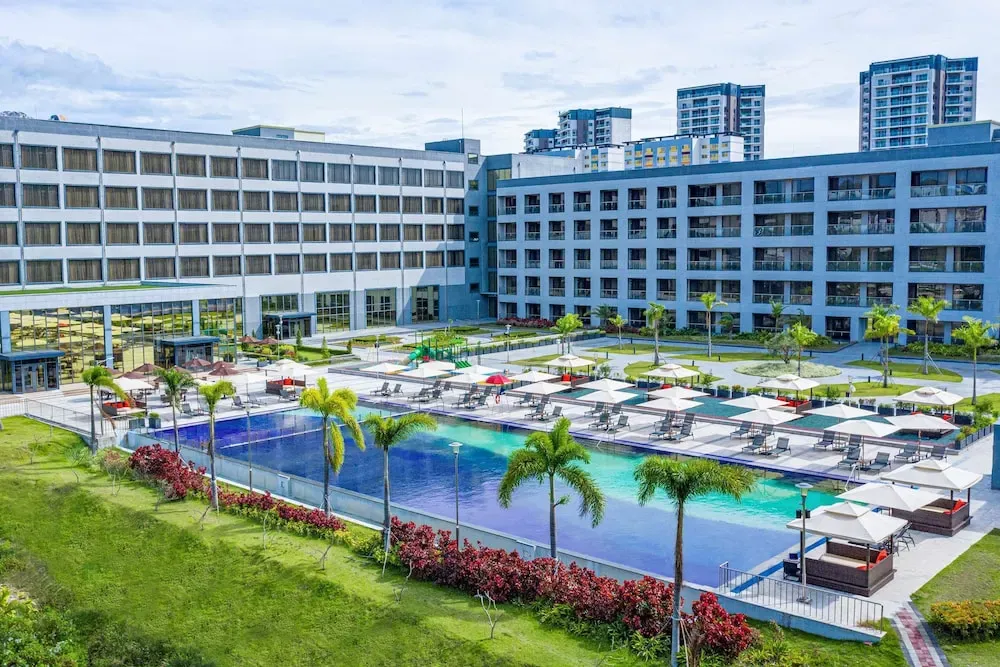
When planning your visit to experience everything this vibrant area offers, Best Western Plus Metro Clark provides excellent access to all the local attractions and cultural experiences mentioned above. The strategic location makes it easy to immerse yourself in the authentic local life while having a comfortable base to return to after your adventures.
Cultural Highlights: The Giant Lantern Festival and Other Celebrations in Pampanga
One of the most anticipated cultural highlights in Pampanga is the Giant Lantern Festival, a dazzling display of intricate lanterns that light up the night sky during the holiday season. This vibrant event attracts visitors from all over the country who come to witness the beauty and artistry of the lanterns created by local artisans. In addition to the Lantern Festival, Pampanga is home to a variety of cultural celebrations, fiestas, and events that showcase the rich heritage and traditions of the region.
Conclusion
Reflecting on the Artisan Experience in Angeles, Pampanga
Exploring handmade crafts in Angeles, Pampanga, offers a unique and enriching experience that allows visitors to connect with the cultural heritage and artistry of the Philippines. By supporting local artisans, learning about traditional crafts, and immersing yourself in the vibrant craft scene of Pampanga, you not only gain a deeper appreciation for Filipino culture but also contribute to the preservation of a rich artistic tradition.
Call-to-Action: Support Local Artisans and Preserve Filipino Craftsmanship
As you journey through Angeles, Pampanga, and discover the beauty of handmade crafts created by local artisans, consider how you can support and promote their work. Whether it’s purchasing a handmade souvenir, participating in a craft workshop, or sharing your experience with others, every action you take helps sustain the livelihoods of Filipino craftsmen and preserve the cultural heritage of the Philippines. By being a conscious consumer and advocate for handmade crafts,
Frequently Asked Questions
What types of handmade crafts can visitors learn to make at local artisan workshops in Angeles, Pampanga?
Visitors can learn to create a variety of handmade crafts at local artisan workshops in Angeles, Pampanga, including traditional Filipino items like woven baskets, beaded jewelry, and pottery. These workshops offer a hands-on experience where participants can learn the techniques and skills required to craft these unique items, all while gaining insight into the cultural significance of these crafts in the Philippines.
How long are the typical artisan workshops for handmade crafts in Angeles, Pampanga?
The duration of artisan workshops for handmade crafts in Angeles, Pampanga can vary depending on the specific craft being taught. Some workshops may last a few hours, while others could span multiple days to allow for a more in-depth learning experience. It's important to check the workshop schedule and duration in advance to plan accordingly.
What are the main materials used in handmade crafts at local artisan workshops in Angeles, Pampanga?
Local artisan workshops in Angeles, Pampanga often use traditional materials such as bamboo, rattan, coconut shells, and abaca fiber in crafting handmade items. These materials are sourced locally and reflect the rich cultural heritage of the Philippines. Participants can expect to work with these natural materials to create unique and authentic Filipino crafts.
How can visitors access local artisan workshops for handmade crafts in Angeles, Pampanga?
Visitors can access local artisan workshops for handmade crafts in Angeles, Pampanga by various means of transportation such as car, taxi, or public transportation. These workshops are typically located in easily accessible areas within the city, making them convenient for both locals and tourists. It's recommended to check the workshop's specific location and directions beforehand for a smooth arrival.
What is the average cost to attend a handmade crafts workshop in Angeles, Pampanga?
The average cost to attend a handmade crafts workshop in Angeles, Pampanga can range from PHP 500 to PHP per person, depending on the duration of the workshop and the materials provided. Some workshops may include additional fees for specialized materials or tools. It's advisable to inquire about the workshop fees in advance and confirm what is included in the price.
What local customs should visitors be aware of when participating in handmade crafts workshops in Angeles, Pampanga?
When participating in handmade crafts workshops in Angeles, Pampanga, visitors should be respectful of the local artisans and their cultural traditions. It is customary to greet the artisans with a smile and to show appreciation for their craft. Additionally, it's important to follow any guidelines or instructions provided by the workshop facilitators to ensure a positive and rewarding experience.
What language barriers might visitors encounter at handmade crafts workshops in Angeles, Pampanga?
While English is widely spoken in the Philippines, visitors at handmade crafts workshops in Angeles, Pampanga may encounter local dialects such as Kapampangan. However, most workshop facilitators are accustomed to working with tourists and can communicate effectively in English. Visitors are encouraged to ask questions and seek clarification if needed to ensure a smooth and enjoyable workshop experience.
Are there any specific items or clothing visitors should bring to handmade crafts workshops in Angeles, Pampanga?
Visitors to handmade crafts workshops in Angeles, Pampanga should wear comfortable clothing that allows for ease of movement, as some crafts may require hands-on work. It's also advisable to bring a water bottle and sunscreen, especially if the workshop is held outdoors. Additionally, participants may want to bring a camera to capture their crafting experience and the beautiful handmade items they create.
What are some traditional Filipino designs and patterns visitors can expect to learn at handmade crafts workshops in Angeles, Pampanga?
Visitors at handmade crafts workshops in Angeles, Pampanga can expect to learn traditional Filipino designs and patterns that are unique to the region. These may include intricate weaving techniques, colorful beadwork, and geometric motifs inspired by indigenous art. By participating in these workshops, visitors can gain a deeper appreciation for Filipino craftsmanship and create their own handmade pieces with these traditional designs.
How can visitors support the local artisan community in Angeles, Pampanga beyond attending workshops?
Visitors can support the local artisan community in Angeles, Pampanga by purchasing handmade crafts directly from artisans or local markets. By buying authentic Filipino handicrafts, visitors not only appreciate the artistry and skill of the artisans but also contribute to the preservation of traditional crafts. Additionally, sharing their handmade creations on social media and recommending workshops to others can help promote and sustain the local artisan industry.