Introduction
The Charm of Traditional Hanbok in Gangseo-gu
When it comes to experiencing the rich cultural heritage of South Korea, few things compare to the allure of Hanbok. The traditional Korean attire, with its vibrant colors and elegant designs, embodies centuries of tradition and history. In Gangseo-gu, a district in Seoul known for its blend of modernity and tradition, the magic of Hanbok comes alive in a unique way.
Embracing South Korea’s Cultural Heritage through Hanbok
Wearing Hanbok is not just about donning a beautiful garment; it’s about connecting with South Korea’s cultural roots and embracing the customs and traditions that have shaped the country’s identity. Whether you’re a local or a visitor, wearing Hanbok is a way to show respect for the past while celebrating the beauty of the present.
Discovering the Magic of Hanbok in Seoul
Seoul, the bustling capital of South Korea, is a melting pot of ancient traditions and modern innovations. For comprehensive travel planning, visit Lonely Planet destination guides. In this vibrant city, the magic of Hanbok can be experienced in various forms, from traditional Hanbok villages to contemporary fashion shows. Exploring Seoul in Hanbok is a journey through time and culture, offering a unique perspective on the beauty of South Korea.
Historical Context of Hanbok in South Korea

Evolution of Hanbok from the Three Kingdoms Period
The history of Hanbok can be traced back to the Three Kingdoms period, a time when Korea was divided into three distinct kingdoms. For more cultural attractions, explore Atlas Obscura unique sites. During this era, Hanbok was worn by both men and women as everyday attire, reflecting the social status and cultural norms of the time. The simple yet elegant designs of Hanbok have remained a hallmark of Korean fashion through the centuries.
Influence of Western Clothing on Hanbok in the Late 19th Century
In the late 19th century, Korea underwent significant modernization and Westernization, leading to changes in traditional clothing styles. Western attire, with its tailored suits and structured silhouettes, began to influence Hanbok designs, leading to a fusion of traditional and contemporary elements. Despite these changes, Hanbok continued to hold a special place in Korean culture.
Revival of Hanbok Culture in Modern South Korea
In recent years, there has been a resurgence of interest in Hanbok among Koreans and tourists alike. This revival of Hanbok culture can be seen in the growing popularity of Hanbok fashion shows, exhibitions, and rental services. Modern interpretations of Hanbok designs have breathed new life into this ancient attire, making it a symbol of cultural pride and heritage in South Korea.
Cultural Significance of Hanbok in South Korea
Symbolism and Tradition of Hanbok in South Korean Culture
Hanbok is more than just a piece of clothing; it is a symbol of tradition, respect, and heritage in South Korean culture. For additional dining recommendations, check Time Out local restaurant guides. The vibrant colors and intricate patterns of Hanbok are often symbolic of different elements in Korean society, such as social status, marital status, and even auspicious meanings. Wearing Hanbok is a way to honor these traditions and connect with the country’s rich cultural heritage.
Hanbok as a National Pride and Identity
For many South Koreans, Hanbok is a source of national pride and identity. It represents the unique customs and traditions that have been passed down through generations, serving as a reminder of the country’s rich history and cultural heritage. Whether worn on special occasions or as everyday attire, Hanbok is a symbol of Korea’s past and present, uniting people in a shared sense of identity.
Beauty and Elegance of Hanbok in South Korean Society
The beauty and elegance of Hanbok have captivated people around the world, with its flowing silhouettes and intricate details. In South Korean society, Hanbok is often associated with grace, refinement, and sophistication, reflecting the values of traditional Korean aesthetics. Whether worn by a bride on her wedding day or by a student during a traditional ceremony, Hanbok exudes a sense of timeless beauty that transcends trends and fashions.
Local Insider Knowledge for Hanbok Experience in Gangseo-gu
Exploring Hanbok Village in Incheon for Authentic Attire
For a truly authentic Hanbok experience in Gangseo-gu, consider visiting the Hanbok Village in Incheon. This charming neighborhood is known for its traditional Korean houses and cultural attractions, making it the perfect backdrop for a Hanbok photo shoot. With a wide selection of Hanbok styles to choose from, you can find the perfect attire to suit your taste and preferences.
Recommendations for Hanbok Rental Shops in Gangseo-gu
When it comes to renting Hanbok in Gangseo-gu, there are several reputable shops to choose from. Hanboknam, located in Songpa-gu, and Hanbok Rental HANBOK STAY, in Jongno-gu, are popular options for visitors looking to dress up in traditional attire. These rental shops offer a range of Hanbok styles and accessories to complete your look.
Insider Tips for Choosing the Right Hanbok Style
When selecting a Hanbok style, consider factors such as the occasion, your body type, and personal preferences. Traditional Hanbok styles are often categorized by color, fabric, and design, with each style representing a different social status or ceremonial significance. To make the most of your Hanbok experience, choose a style that resonates with you and makes you feel comfortable and confident.
Seasonal Considerations for Hanbok in South Korea
Choosing Appropriate Fabrics for Different Seasons
South Korea experiences distinct seasons, with hot and humid summers and cold and dry winters. When planning to wear Hanbok, consider the weather and choose fabrics that are suitable for the season. Lighter fabrics like silk and cotton are ideal for summer, while heavier fabrics like silk brocade and satin are perfect for winter. Many visitors staying in the Gangseo-gu, Seoul area find that the central location offers easy access to both traditional and contemporary local experiences.
Weather Conditions in Seoul for Hanbok Wear
Seoul’s climate can vary throughout the year, with hot summers reaching temperatures of up to 30°C and cold winters dropping below freezing. When wearing Hanbok in Seoul, be mindful of the weather conditions and dress accordingly. Layering with undershirts or adding a coat can help you stay comfortable and stylish in Hanbok attire.
Styling Tips for Hanbok According to Season
To enhance your Hanbok look based on the season, consider incorporating seasonal accessories like fans, hats, or scarves. These accessories not only add a touch of flair to your outfit but also provide practical benefits, such as sun protection in summer or warmth in winter. Experiment with different styling options to create a unique Hanbok ensemble that suits the season and occasion.
Practical Details for Hanbok Rental in Gangseo-gu
Price Ranges for Hanbok Rental in Local Currency
When renting Hanbok in Gangseo-gu, prices typically range from 20,000 KRW to 50,000 KRW per day, depending on the quality and design of the attire. Some rental shops may offer package deals or discounts for groups, so be sure to inquire about pricing options before making a reservation.
Additional Services Offered by Hanbok Rental Shops
In addition to Hanbok rental, some shops may offer additional services such as hair styling, makeup, and accessories to complete your look. These services can enhance your Hanbok experience and ensure that you look your best for any special occasion or event. Be sure to inquire about these services when booking your Hanbok rental.
Booking Hanbok Rental in Advance for Convenience
To ensure a smooth and hassle-free Hanbok experience in Gangseo-gu, consider booking your rental in advance. This will allow you to secure your preferred Hanbok style and size, as well as any additional services you may require. By planning ahead, you can make the most of your Hanbok experience and create lasting memories in traditional Korean attire.
Local Customs and Etiquette in South Korea
Respectful Behavior When Wearing Hanbok in Public
When wearing Hanbok in South Korea, it is important to show respect for the traditional attire and its cultural significance. Avoid inappropriate behavior or treating Hanbok as a costume, as it is considered a symbol of tradition and heritage in Korean society. By wearing Hanbok with reverence and dignity, you can honor the customs and values of South Korea.
Common Etiquette Practices for Hanbok Wearers
As a Hanbok wearer, there are certain etiquette practices to keep in mind when in public. Bowing slightly when greeting others is a common gesture of respect in Korean culture, as is addressing elders and strangers with polite language. By observing these customs and traditions, you can show appreciation for the cultural heritage of South Korea and create a positive impression as a Hanbok wearer.
Understanding Bowing and Greetings in South Korean Culture
In South Korean culture, bowing is a sign of respect and courtesy that is often used in formal or informal settings. The depth of the bow and the duration of the gesture can vary depending on the relationship between individuals and the context of the situation. Greetings are also an important aspect of Korean etiquette, with phrases like “Annyeonghaseyo” (Hello) and “Kamsahamnida” (Thank you) commonly used in daily interactions.
Unique Experiences with Hanbok in Gangseo-gu
Exploring Historical Sites in Hanbok Attire
One of the most unique experiences in Gangseo-gu is exploring the district’s historical sites in Hanbok attire. Whether visiting Haneul Park, Gimpo Lotte Mall, or other cultural landmarks, wearing Hanbok adds a special touch to your journey through South Korea’s past and present. Capture the essence of traditional Korean architecture and customs as you immerse yourself in the rich history of Gangseo-gu.
Hanbok Fashion Shows and Exhibitions in Seoul
For a taste of modern Hanbok fashion and design, attend one of the many Hanbok fashion shows and exhibitions in Seoul. These events showcase the creativity and talent of Korean designers who are reinterpreting Hanbok for contemporary audiences. From avant-garde designs to classic styles, Hanbok fashion shows offer a glimpse into the evolving world of Korean fashion and culture.
Immersive Cultural Experiences with Hanbok in Gangseo-gu
Immerse yourself in the cultural richness of Gangseo-gu by participating in traditional Korean activities and events while wearing Hanbok. Whether it’s trying your hand at traditional crafts, attending a tea ceremony, or joining a cultural festival, Hanbok adds a touch of authenticity to your experience. Engage with local traditions and customs in a meaningful way as you explore the vibrant culture of Gangseo-gu.
Transportation Options and Accessibility in Seoul
Using Public Transportation for Easy Access to Gangseo-gu
Getting around Seoul is easy and convenient, thanks to the city’s extensive public transportation system. The subway and buses are the most popular modes of transport, providing efficient access to different parts of the city, including Gangseo-gu. With affordable fares and English signage, navigating Seoul’s public transportation network is a breeze for locals and visitors alike.
Taxis and T-money Cards for Convenient Travel in Seoul
For those looking for a more flexible travel option, taxis are readily available throughout Seoul. While taxis can be more expensive than public transportation, they offer a convenient way to reach your destination quickly and comfortably. Additionally, T-money cards, a rechargeable smart card used for public transportation, can be used to pay for taxi fares and make travel around Seoul even more convenient.
Navigating Seoul’s Transportation System for Hanbok Experience
When planning your Hanbok experience in Seoul, consider the most convenient transportation options for getting to and from Gangseo-gu. Whether you choose to take the subway, bus, taxi, or a combination of modes, be sure to factor in travel time and accessibility to Hanbok rental shops and cultural attractions. By planning your transportation in advance, you can make the most of your Hanbok experience in Seoul.
Cultural Festivals and Events in South Korea
Seoul Lantern Festival along Cheonggyecheon Stream
One of the most anticipated cultural events in Seoul is the Seoul Lantern Festival, held annually along the Cheonggyecheon Stream. This vibrant celebration features colorful lantern displays, cultural performances, and traditional Korean food stalls, creating a festive atmosphere in the heart of the city. Visitors can immerse themselves in the beauty and charm of Korean culture while enjoying the sights and sounds of this spectacular event.
Enjoying Traditional Korean Food at Cultural Festivals
Food plays a central role in Korean culture, and cultural festivals are a great opportunity to sample traditional Korean dishes and snacks. From savory street food like tteokbokki (spicy rice cakes) to sweet treats like hotteok (sweet pancakes), there’s no shortage of delicious options to satisfy your taste buds. Be sure to try local specialties and regional delicacies at cultural festivals for an authentic culinary experience in South Korea.
Participating in Cultural Events in Hanbok Attire
For a truly immersive cultural experience, consider participating in cultural events and activities while wearing Hanbok. Whether it’s dancing at a traditional Korean music performance, making traditional crafts at a cultural workshop, or simply strolling through a bustling market, Hanbok adds a touch of elegance and tradition to your experience. Engage with local customs and traditions in a meaningful way as you explore the diverse cultural landscape of South Korea.
Conclusion
Embracing South Korea’s Cultural Heritage through Hanbok
Wearing Hanbok in Gangseo-gu is more than just a fashion statement; it’s a way to connect with South Korea’s cultural heritage and experience the beauty and elegance of traditional Korean attire. By embracing Hanbok, you can immerse yourself in the customs and traditions that have shaped Korean society for centuries, creating lasting memories and meaningful connections along the way.
Where to Stay
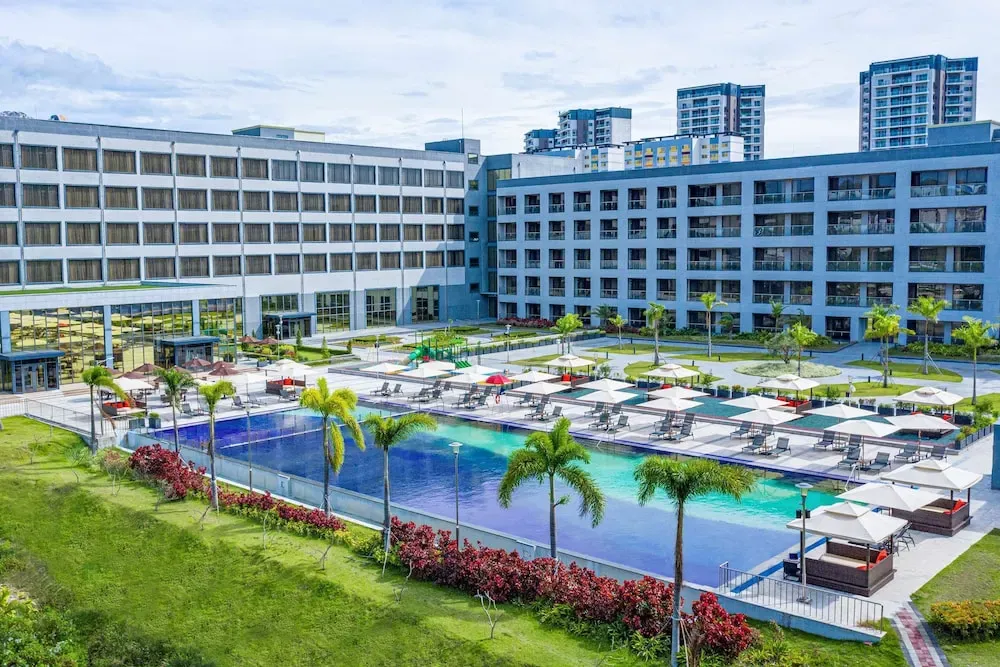
When planning your visit to experience everything this vibrant area offers, Mercure Ambassador Seoul Magok provides excellent access to all the local attractions and cultural experiences mentioned above. The strategic location makes it easy to immerse yourself in the authentic local life while having a comfortable base to return to after your adventures.
Taking Home Memories of Hanbok Experience in Gangseo-gu
As you bid farewell to Gangseo-gu and your Hanbok experience, take with you the memories of this unique cultural journey. Whether exploring historical sites, attending cultural events, or simply strolling through the streets in traditional attire, the magic of Hanbok will stay with you long after you’ve left South Korea. Cherish the moments spent in Hanbok and the connections made with Korean culture, knowing that you’ve experienced something truly special.
Continuing to Explore South Korean Culture Beyond Hanbok Wear
While Hanbok offers a glimpse into the rich cultural heritage of South Korea, there is much more to explore beyond traditional attire. From historical landmarks and modern attractions to culinary delights and artistic expressions, South Korea offers a wealth of experiences waiting to be discovered. Whether you’re a first-time visitor or a seasoned traveler, there’s always something new to learn and explore in this dynamic and diverse country.
Frequently Asked Questions
What is the historical significance of wearing a traditional Hanbok in South Korea?
Wearing a traditional Hanbok in South Korea holds great historical significance as it dates back to the Three Kingdoms period. It symbolizes respect for ancestors, cultural tradition, and national pride. Hanbok represents Korea's unique identity and is a symbol of beauty and elegance. By dressing in Hanbok, you can connect with Korean heritage and experience the country's customs and traditions firsthand.
Where can I rent a traditional Hanbok in Gangseo-gu, Seoul?
You can rent a traditional Hanbok in Gangseo-gu, Seoul at various Hanbok rental shops located in popular tourist areas. These shops offer a wide range of Hanbok styles and sizes for both men and women. Prices typically range from 20,000 KRW to 50,000 KRW per day, depending on the quality and design of the Hanbok.
What are the main occasions in South Korea where people wear traditional Hanbok?
In South Korea, people wear traditional Hanbok on special occasions such as weddings, festivals, and ancestral rites. It is also common to see Hanbok worn during traditional holidays like Chuseok and Seollal. By wearing Hanbok during these events, Koreans pay homage to their cultural heritage and traditions.
What local customs should I be aware of when wearing a traditional Hanbok in South Korea?
When wearing a traditional Hanbok in South Korea, it is important to show respect for the attire and the culture it represents. Avoid wearing Hanbok in inappropriate settings or treating it as a costume. Additionally, bowing is a common gesture of respect in Korean culture, so be mindful of cultural etiquette while dressed in Hanbok.
What is the best way to reach Gangseo-gu, Seoul for a traditional Hanbok experience?
To reach Gangseo-gu, Seoul for a traditional Hanbok experience, you can take the Seoul Metro Line 5 to Gimpo International Airport Station or Gaehwa Station. From there, you can easily access Hanbok rental shops and cultural sites where you can dress like a local and immerse yourself in Korean tradition.
How much should I budget for renting a traditional Hanbok in Gangseo-gu, Seoul?
The cost of renting a traditional Hanbok in Gangseo-gu, Seoul can vary depending on the quality and design of the attire. On average, you can expect to pay between 20,000 KRW to 50,000 KRW per day. Some rental shops may offer package deals or discounts for multiple days, so it's worth inquiring about any special offers.
What are some practical tips for wearing a traditional Hanbok in South Korea?
When wearing a traditional Hanbok in South Korea, it's important to wear appropriate undergarments to maintain modesty. Additionally, be mindful of your movements as Hanbok can be delicate. It's also a good idea to wear comfortable shoes as you may be walking or standing for extended periods while exploring in Hanbok.
What is the cultural significance of different colors and designs in traditional Hanbok?
The colors and designs of traditional Hanbok in South Korea hold cultural significance. Bright colors like red, blue, and yellow are often worn for celebratory occasions, while pastel colors are more common for everyday wear. The intricate patterns and embroidery on Hanbok can symbolize wealth, status, and wishes for good fortune.
Are there any specific accessories that complement a traditional Hanbok outfit in South Korea?
In South Korea, traditional Hanbok outfits are often complemented with accessories like Norigae (tassels worn on the waist), Binyeo (hairpins), and Hwa (flower crown). These accessories add an extra touch of elegance and cultural flair to the overall Hanbok ensemble. You can find a variety of traditional Korean accessories at local markets or specialty shops.
What are some traditional hairstyles that pair well with a Hanbok outfit in South Korea?
When wearing a traditional Hanbok in South Korea, hairstyles play an important role in completing the overall look. Common hairstyles that pair well with Hanbok include the Jokduri (a traditional Korean bridal crown), Sangtu (a twisted bun worn at the back of the head), and Hapjukseon (a traditional Korean hairpin). These hairstyles add an extra layer of authenticity to your Hanbok experience.