
Introduction
Setting the Stage: The allure of hiking in the Benguet mountains
Located in the Cordillera Administrative Region of the Philippines, Benguet is a province known for its stunning mountain landscapes and rich cultural heritage. For comprehensive travel planning, visit Lonely Planet destination guides. Hiking in the Benguet mountains offers a unique opportunity to immerse oneself in the indigenous culture of the region while exploring breathtaking natural beauty.
The Cultural Richness of Benguet: Exploring the indigenous heritage
The indigenous peoples of Benguet, such as the Igorots, have a deep connection to the land and maintain traditional practices and beliefs that have been passed down through generations. For more cultural attractions, explore Atlas Obscura unique sites. Hiking in Benguet allows visitors to learn about these cultural traditions and experience the beauty of the Cordillera mountains.
Historical and Cultural Background of Benguet

Indigenous Peoples of Benguet: A history of harmony with the land
The indigenous peoples of Benguet have a long history of living in harmony with the land, utilizing sustainable practices to cultivate crops and raise livestock in the mountainous terrain. For local activities and tours, browse Viator experience options. Their deep connection to nature is reflected in their spiritual beliefs and rituals, which are still observed today.
Traditional Practices and Beliefs: Insights into local customs
Traditional practices such as rice terracing, weaving, and metalworking are integral to the cultural identity of the indigenous communities in Benguet. Visitors can learn about these customs by visiting traditional villages and participating in cultural activities during their hiking adventures.
Top Hiking Trails in Benguet
Mt. Pulag National Park: Conquering the highest peak in Luzon
Located in Kabayan, Benguet, Mt. Pulag National Park is home to the highest peak in Luzon and offers several trails of varying difficulty for hikers to explore. The summit provides stunning views of the surrounding mountains and rice terraces, making it a must-visit destination for outdoor enthusiasts.
Mt. Ulap: A panoramic journey through the Cordillera mountains
Situated in Itogon, Benguet, Mt. Ulap is known for its scenic ridges and panoramic views of the Cordillera mountains. The trail passes through pine forests and grasslands, with opportunities to see wildlife along the way, providing a memorable hiking experience for visitors.
Ambuklao Dam: A serene escape for nature lovers
Located in Bokod, Benguet, the Ambuklao Dam offers a picturesque setting for hiking and picnicking, with opportunities for fishing and water sports. The serene atmosphere of the dam provides a tranquil escape for nature lovers seeking relaxation and outdoor adventure.
Best Time to Hike in Benguet
The Dry Season: Ideal months for hiking adventures
The best time to hike in Benguet is during the dry season from November to April when the weather is cooler and the trails are less muddy. Hikers can enjoy clear skies and pleasant temperatures during this time, making it ideal for outdoor exploration.
Weather Challenges: Preparing for sudden changes in the mountains
Despite the dry season, the mountains of Benguet are prone to sudden changes in weather, including fog and rain. Hikers should be prepared for these challenges by packing appropriate clothing, staying hydrated, and checking weather forecasts before embarking on their hiking adventures. Many visitors staying in the Baguio City, Benguet area find that the central location offers easy access to both traditional and contemporary local experiences.
Planning Your Hiking Trip in Benguet
Hiring a Local Guide: The key to a successful hike
When hiking in Benguet, it is recommended to hire a local guide who can provide valuable insights into the history and culture of the region. Local guides are knowledgeable about the trails and can ensure a safe and enjoyable hiking experience for visitors.
Entrance Fees and Permits: Navigating the cost of outdoor adventures
Visitors to national parks and conservation areas in Benguet may be required to pay entrance fees ranging from 100-300 PHP per person. It is important to budget for these fees and obtain any necessary permits before starting your hiking trip.
Gear and Equipment: Essential items for a safe and enjoyable hike
When preparing for a hiking trip in Benguet, it is important to pack essential gear and equipment such as sturdy hiking shoes, a backpack with water and snacks, a first aid kit, and appropriate clothing for varying weather conditions. Being well-prepared will ensure a comfortable and safe hiking experience.
Cultural Etiquette and Respectful Behavior
Greetings and Interactions: Embracing local customs on the trails
When hiking in Benguet, visitors should greet locals they encounter along the trail with a friendly “Magandang araw” (Good day) and show respect for the indigenous culture of the region. Asking for permission before taking photos and being mindful of local customs will help create a positive experience for everyone.
Photography Guidelines: Respecting sacred sites and traditions
While exploring the mountains of Benguet, it is important to respect sacred sites and traditions by refraining from taking photos without permission and avoiding intrusive behavior. By following photography guidelines and showing sensitivity to cultural practices, visitors can contribute to the preservation of the region’s heritage.
Leave No Trace: Preserving the natural beauty of Benguet
As stewards of the environment, hikers in Benguet should practice Leave No Trace principles by packing out all trash, staying on designated trails, and minimizing their impact on the natural landscape. By preserving the beauty of Benguet, visitors can ensure that future generations can enjoy the mountains for years to come.
Recent Developments and Eco-Tourism Initiatives
Sustainable Practices: Supporting local communities through responsible tourism
In recent years, there has been a growing interest in eco-tourism in Benguet, with efforts to promote sustainable practices and support local communities through responsible tourism initiatives. By choosing eco-friendly accommodations, supporting local businesses, and participating in conservation efforts, visitors can contribute to the preservation of the region’s natural and cultural heritage.
Conservation Efforts: Protecting the biodiversity of the region
Conservation organizations in Benguet are actively working to protect the biodiversity of the region by preserving natural habitats, promoting sustainable agriculture, and raising awareness about environmental issues. By supporting these conservation efforts, hikers can help ensure the long-term health and vitality of the mountains of Benguet.
Safety Tips and Accessibility Information
Physical Preparedness: Ensuring your health for mountain hikes
Hiking in the mountains of Benguet can be physically demanding, requiring good health and fitness levels to navigate steep inclines and rugged terrain. It is important to prepare for long hours of walking by staying hydrated, taking breaks when needed, and listening to your body’s cues to avoid overexertion.
Trail Conditions: Navigating steep inclines and rocky terrain
Some hiking trails in Benguet may have steep inclines, rocky terrain, and narrow pathways that require careful navigation and proper footwear. Hikers should be prepared for challenging conditions by wearing sturdy hiking shoes, using trekking poles for stability, and following trail markers to stay on course.
Communication Plans: Informing others of your hiking plans for safety
Before embarking on a hiking trip in Benguet, it is important to inform someone of your plans, including your intended route, estimated time of return, and emergency contact information. By communicating your plans with a trusted individual, you can ensure that help is available in case of an emergency or unexpected situation.
Unique Experiences in Benguet
Immersing in Indigenous Culture: Visiting traditional villages and learning age-old customs
One of the most unique experiences in Benguet is the opportunity to immerse oneself in the indigenous culture of the Cordillera region by visiting traditional villages, participating in cultural activities, and learning about age-old customs and traditions. By engaging with local communities, visitors can gain a deeper appreciation for the rich heritage of the region.
Breathtaking Landscapes: Capturing the beauty of terraced rice fields and towering peaks
The landscapes of Benguet are truly breathtaking, with terraced rice fields, lush forests, and towering peaks that offer stunning panoramic views for hikers to enjoy. Whether trekking through pine forests or exploring rice terraces, visitors can capture the natural beauty of the region through photography and create lasting memories of their hiking adventures.
Cultural Festivals: Experiencing the vibrant Panagbenga Festival in Baguio City
One of the most vibrant cultural festivals in Benguet is the Panagbenga Festival held in Baguio City every February. The festival celebrates the blooming of flowers in the region and features colorful parades, street dancing, and flower exhibits, providing a unique opportunity to experience the local culture and hospitality of the people of Benguet.
Conclusion
Reflecting on the Beauty of Benguet: A call-to-action for future hiking adventures
As you reflect on your hiking adventures in Benguet, remember the beauty of the mountains, the warmth of the local communities, and the cultural richness of the region. Let your experiences in Benguet inspire you to embark on future hiking adventures and continue to explore the wonders of the Philippines.
Where to Stay
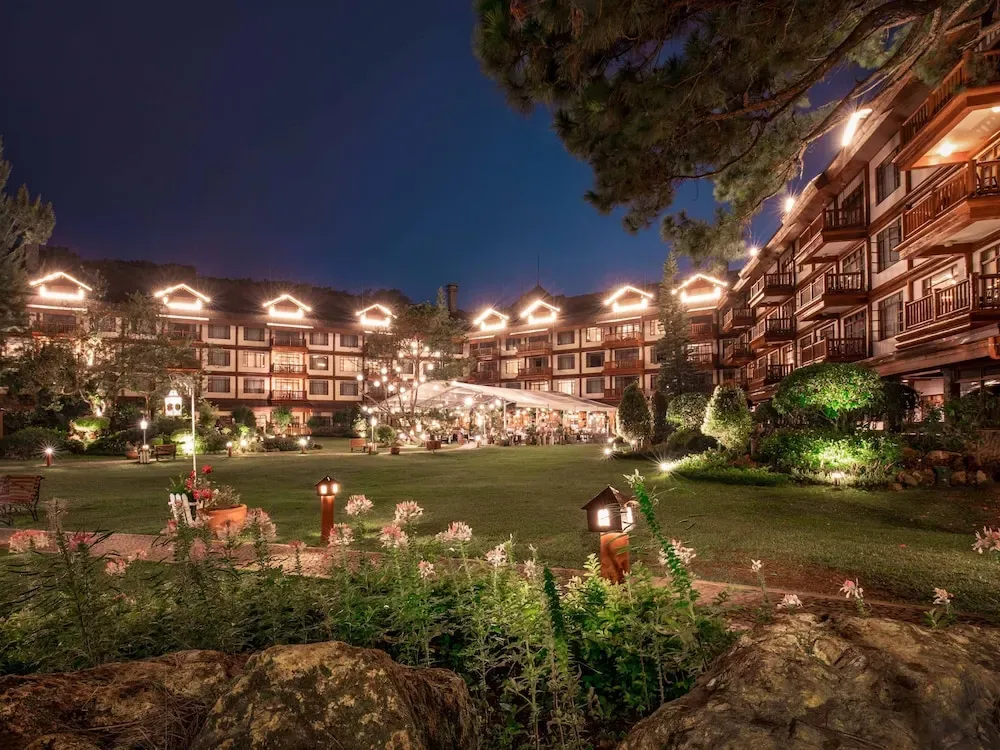
When planning your visit to experience everything this vibrant area offers, The Manor at Camp John Hay provides excellent access to all the local attractions and cultural experiences mentioned above. The strategic location makes it easy to immerse yourself in the authentic local life while having a comfortable base to return to after your adventures.
Embracing the Spirit of Adventure: Tips for planning a memorable trip in the mountains of Benguet
Before planning your next hiking trip in Benguet, remember to hire a local guide, respect local customs and traditions, and pack essential gear for your journey. By embracing the spirit of adventure and immersing yourself in the beauty of Benguet, you can create lasting memories and enriching experiences that will stay with you for a lifetime.
Frequently Asked Questions
What are some popular hiking trails in the Benguet Mountains near Baguio City?
Some popular hiking trails in the Benguet Mountains near Baguio City include Mt. Pulag, Mt. Ulap, and Mt. Kalugong. These trails offer stunning views of the surrounding landscapes and opportunities to immerse yourself in the indigenous culture of the region. Mt. Pulag, the third-highest peak in the Philippines, is known for its sea of clouds and diverse flora and fauna. Mt. Ulap offers a scenic ridge walk with panoramic views, while Mt. Kalugong features unique rock formations and a picturesque reservoir.
What is the best time of day to hike in the Benguet Mountains?
The best time to hike in the Benguet Mountains is early morning or late afternoon to avoid the midday heat. The cool temperatures in the morning provide a refreshing start to your hike, and the afternoon light offers beautiful views of the landscapes. Additionally, starting early allows you to reach viewpoints before they get crowded with other hikers. Be sure to check the weather forecast before heading out and pack accordingly for changing conditions.
How can I access the hiking trails in the Benguet Mountains from Baguio City?
You can access the hiking trails in the Benguet Mountains from Baguio City by private vehicle, public transportation, or organized tours. Many trails are within a short drive from the city center, and local jeepneys or taxis can take you to the trailheads. Some trails may require a short hike or motorbike ride from the nearest road access point. Organized tours and guides are also available for those who prefer a structured experience with transportation included.
What are the typical costs associated with hiking in the Benguet Mountains?
The costs associated with hiking in the Benguet Mountains can vary depending on factors such as transportation, guide fees, and entrance fees to certain trails. On average, expect to budget around 500- PHP for guide fees per day, 100-200 PHP for entrance fees to specific trails, and additional costs for transportation to and from the trailheads. It's recommended to carry some cash in small denominations for these expenses, as credit cards may not be accepted in remote areas.
What are some cultural customs to be aware of when hiking in the Benguet Mountains?
When hiking in the Benguet Mountains, it's important to respect the indigenous customs and traditions of the local communities. Always ask for permission before entering ancestral lands, and be mindful of sacred sites and rituals along the trails. Avoid littering and show respect for the environment by leaving no trace. If you encounter locals during your hike, greet them politely and ask for any cultural norms or taboos to be aware of. Learning about the indigenous heritage of the region can enhance your hiking experience.
Are there any specific language barriers I should be aware of when hiking in the Benguet Mountains?
While English is widely spoken in the Philippines, including in Benguet and Baguio City, you may encounter locals who primarily speak the indigenous languages such as Ibaloi, Kankanaey, or Ifugao. Learning a few basic phrases in these languages, such as greetings or expressions of gratitude, can help bridge the communication gap and show respect for the local culture. Many guides and tour operators in the area are bilingual and can assist with translation if needed.
What is the local currency in the Philippines and what payment methods are commonly accepted in Benguet?
The local currency in the Philippines is the Philippine Peso (PHP). Cash is the most widely accepted form of payment in Benguet, including for entrance fees to hiking trails, guide services, and local transportation. While some establishments may accept credit cards in larger cities like Baguio, it's recommended to carry sufficient cash when visiting remote areas or engaging in outdoor activities. ATMs are available in major towns for withdrawing Philippine Pesos.
What are some unique cultural insights I can gain from hiking the trails in the Benguet Mountains?
Hiking the trails in the Benguet Mountains offers unique cultural insights into the traditional practices and beliefs of the indigenous communities in the region. You may have the opportunity to witness rituals, ceremonies, or traditional farming methods along the trails, providing a deeper understanding of the symbiotic relationship between the people and the land. Engaging with local guides and communities can offer valuable perspectives on indigenous knowledge, storytelling, and sustainable practices that have been passed down through generations.

