Introduction
Setting the Scene in Gangseo-gu
Welcome to Gangseo-gu, a vibrant district in Seoul, South Korea, known for its rich cultural heritage and traditional craftsmanship. In recent years, Gangseo-gu has become a hub for hanbok sewing classes, offering locals and visitors a unique opportunity to immerse themselves in the art of traditional Korean garment-making.
The Growing Trend of Hanbok Sewing Classes in Seoul
With a resurgence of interest in traditional Korean culture, hanbok sewing classes have gained popularity in Seoul. For more cultural attractions, explore Atlas Obscura unique sites. For comprehensive travel planning, visit Lonely Planet destination guides. These classes provide participants with hands-on experience in cutting, sewing, and embroidering hanbok, allowing them to create their own customized attire under the guidance of master tailors.
Embracing Traditional Korean Culture Through Hanbok
Hanbok, the traditional Korean attire, holds great cultural significance in South Korea as it represents the country’s heritage and traditions. For local activities and tours, browse Viator experience options. By participating in hanbok sewing classes, individuals can deepen their understanding of Korean culture and craftsmanship while creating their own unique hanbok designs.
Historical Context of Hanbok in South Korea

Evolution of Hanbok Styles from Three Kingdoms Period to Present Day
The history of hanbok dates back to the Three Kingdoms period, with its style evolving over the centuries. Originally made of hemp or ramie fabric, hanbok has gone through various changes influenced by different dynasties and cultural trends, resulting in the elegant designs we see today.
Influence of Joseon Dynasty on Hanbok Designs
The Joseon Dynasty played a significant role in shaping hanbok designs, introducing vibrant colors and intricate patterns that are still prevalent in modern hanbok. The influence of the Joseon Dynasty can be seen in the traditional garments worn during special occasions and cultural events in South Korea.
Significance of Hanbok in Modern South Korean Culture
Today, hanbok continues to hold cultural significance in South Korea, symbolizing respect for tradition and heritage. The attire is commonly worn during rituals, ceremonies, and festivals, reflecting the beauty of Korean aesthetics and the country’s rich cultural identity.
Cultural Significance of Hanbok in South Korea
Rituals and Ceremonies Where Hanbok is Worn
Hanbok is traditionally worn during various rituals and ceremonies in South Korea, such as weddings, ancestral rites, and harvest festivals. The attire symbolizes respect, honor, and the continuity of cultural traditions passed down through generations.
Symbolism and Aesthetics of Hanbok
The symbolism and aesthetics of hanbok are deeply rooted in Korean culture, with each garment reflecting specific meanings and cultural values. The colors, patterns, and styles of hanbok convey messages of prosperity, happiness, and harmony, adding to the attire’s significance.
Hanbok as a Reflection of Korean Identity and Tradition
Hanbok serves as a reflection of Korean identity and tradition, embodying the country’s rich cultural heritage and artistic expression. By donning hanbok and participating in hanbok sewing classes, individuals can connect with the essence of Korean culture and celebrate its timeless beauty.
Local Hanbok Sewing Classes with Master Tailors
Hanbok Making Academy in Gangseo-gu
One of the most renowned hanbok sewing classes in Seoul is the Hanbok Making Academy located in Gangseo-gu. This academy offers participants a unique opportunity to learn the art of traditional Korean garment-making from expert master tailors in a hands-on setting.
Hands-On Experience in Cutting, Sewing, and Embroidering Hanbok
At the Hanbok Making Academy, participants can gain practical experience in cutting, sewing, and embroidering hanbok under the guidance of skilled artisans. From selecting fabrics to stitching intricate designs, students can immerse themselves in the craftsmanship of hanbok creation.
Customizing Your Own Hanbok with Expert Guidance
One of the highlights of hanbok sewing classes is the opportunity to customize your own hanbok design with expert guidance. Master tailors at the Hanbok Making Academy provide personalized instruction and support, allowing participants to create a unique hanbok that reflects their individual style and preferences. Many visitors staying in the Gangseo-gu, Seoul area find that the central location offers easy access to both traditional and contemporary local experiences.
Seasonal Considerations for Hanbok Sewing Classes in South Korea
Ideal Seasons for Attending Hanbok Sewing Classes
Spring and fall are considered ideal seasons for attending hanbok sewing classes in South Korea, as the weather is mild and pleasant. Participants can work comfortably with fabrics and enjoy the cultural experience without the extremes of summer heat or winter cold.
Weather Considerations for Fabric Work in Different Seasons
When planning to attend hanbok sewing classes, it’s important to consider the weather conditions in different seasons. Summer can be hot and humid, making fabric work challenging, while winter may require additional layers for warmth. Spring and fall offer the best balance for hanbok creation.
Dressing Appropriately for Hanbok Sewing Classes in Various Seasons
Participants should dress comfortably and appropriately for hanbok sewing classes in different seasons. Light, breathable clothing is recommended for summer sessions, while layering for warmth is essential in winter. Spring and fall provide the most comfortable temperatures for engaging in hanbok sewing activities.
Practical Details and Price Ranges in Seoul
Pricing for Hanbok Sewing Classes in Local Currency
Hanbok sewing classes in Seoul typically range from 150,000 KRW to 300,000 KRW per session, depending on the duration and level of expertise. The fees generally include materials, tools, and instruction from experienced master tailors, offering participants a comprehensive learning experience.
Inclusions in Hanbok Sewing Class Fees
The fees for hanbok sewing classes typically cover the cost of materials, tools, and instruction from master tailors. Participants can expect to receive personalized guidance and support throughout the class, ensuring a rewarding and educational experience in traditional Korean garment-making.
Booking Procedures and Availability of Hanbok Sewing Classes
Due to the popularity of hanbok sewing classes in Seoul, participants are advised to book in advance to secure their spot. The Hanbok Making Academy and other reputable establishments may have limited availability, especially during peak seasons, so early reservation is recommended to avoid disappointment.
Local Customs and Etiquette in South Korea
Respecting Master Tailors in Hanbok Sewing Classes
When attending hanbok sewing classes in South Korea, it is important to show respect to the master tailors and follow their instructions diligently. Master tailors are highly skilled artisans with years of experience, and their expertise should be honored and appreciated by participants.
Traditional Greetings and Forms of Address in Korean Culture
In Korean culture, traditional greetings and forms of address play a significant role in social interactions. Bowing is a common form of greeting, and it is customary to address elders and authority figures with honorific titles to show respect and deference.
Cultural Significance of Removing Shoes Before Entering a Classroom
Removing shoes before entering a classroom or any indoor space is a sign of respect and cleanliness in Korean culture. Participants in hanbok sewing classes should adhere to this custom to show consideration for the environment and to maintain the traditional etiquette of the setting.
Safety and Accessibility Information in South Korea
Efficient Public Transportation System in Seoul
Seoul boasts an efficient public transportation system, including subways and buses, that make it easy for visitors to navigate the city. Gangseo-gu, where the Hanbok Making Academy is located, is well-connected by public transportation, providing convenient access for participants attending hanbok sewing classes.
Safety Precautions for Visitors in Gangseo-gu
Gangseo-gu is generally considered a safe district in Seoul, but visitors should exercise caution and be mindful of their surroundings. It is advisable to keep personal belongings secure and to follow basic safety precautions while exploring the area, especially when traveling to and from hanbok sewing classes.
Navigating Gangseo-gu for Hanbok Sewing Classes
Participants attending hanbok sewing classes in Gangseo-gu can easily navigate the district using public transportation or taxis. The Hanbok Making Academy is conveniently located in a central area of Gangseo-gu, making it accessible for participants coming from different parts of Seoul.
Unique Experiences at Hanbok Sewing Classes in Seoul
Immersion in Korean Culture and Craftsmanship
Attending hanbok sewing classes in Seoul offers participants a unique opportunity to immerse themselves in Korean culture and craftsmanship. From learning traditional garment-making techniques to creating personalized hanbok designs, participants can gain a deeper appreciation for the artistry and heritage of hanbok.
Creating Your Own Unique Hanbok Design
One of the highlights of hanbok sewing classes is the chance to create your own unique hanbok design under the guidance of expert master tailors. Participants can explore different fabrics, colors, and patterns to craft a hanbok that reflects their individual style and creativity, resulting in a one-of-a-kind garment.
Insights into Traditional Korean Garment-Making Techniques
Through hanbok sewing classes, participants can gain valuable insights into traditional Korean garment-making techniques that have been passed down through generations. From intricate embroidery to precise stitching, participants can learn the art of hanbok creation and appreciate the craftsmanship behind these timeless garments.
Where to Stay
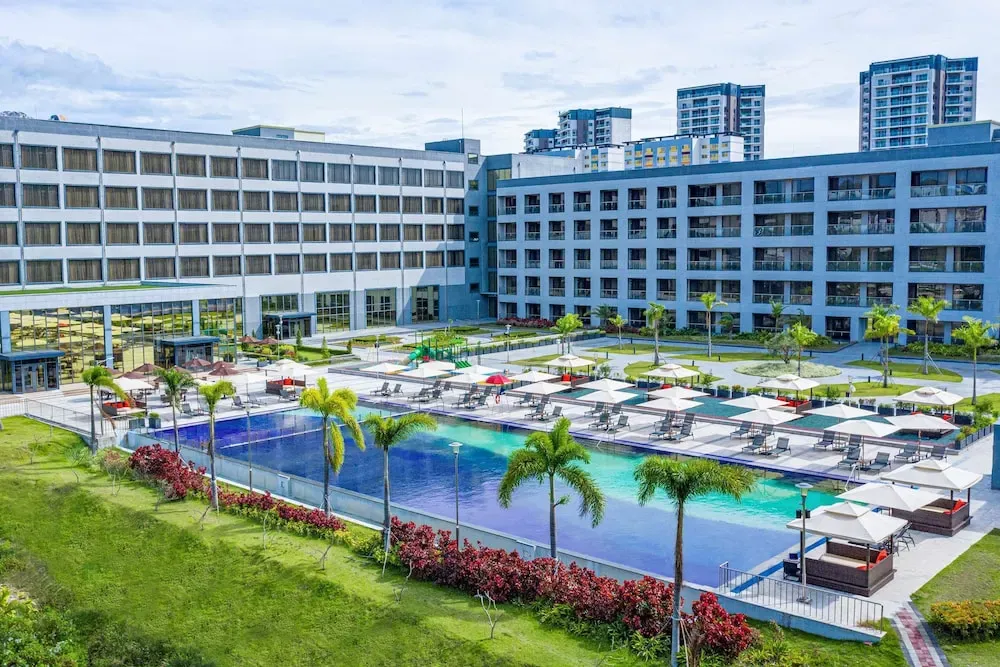
When planning your visit to experience everything this vibrant area offers, Mercure Ambassador Seoul Magok provides excellent access to all the local attractions and cultural experiences mentioned above. The strategic location makes it easy to immerse yourself in the authentic local life while having a comfortable base to return to after your adventures.
Transportation Options in South Korea
Convenient Subway Network in Seoul
Seoul’s extensive subway network provides a convenient and efficient way for participants to travel around the city, including to and from hanbok sewing classes. The subway system offers easy access to various attractions, neighborhoods, and cultural sites in Seoul, making it a popular choice for visitors exploring the city.
Accessibility of Buses in Gangseo-gu
Buses are another accessible transportation option in Gangseo-gu, providing participants with convenient routes to different parts of the district. Participants attending hanbok sewing classes can utilize the bus system to reach the Hanbok Making Academy and other cultural attractions in Gangseo-gu, enhancing their overall experience in the area.
Getting Around Seoul for Cultural Exploration
When exploring Seoul for cultural experiences, participants can take advantage of the city’s diverse transportation options, including subways, buses, and taxis. Navigating Seoul is relatively easy, thanks to the well-connected public transportation system and the availability of transportation apps that help participants plan their routes and explore the city efficiently.
Cultural Festivals and Events in South Korea
Seoul Hanbok Festival Celebrating Traditional Attire
The Seoul Hanbok Festival is a prominent cultural event that celebrates traditional Korean attire and fashion. The festival features hanbok fashion shows, exhibitions, and cultural performances, showcasing the beauty and significance of hanbok in South Korean culture. Participants can attend the festival to deepen their understanding of hanbok and its cultural importance.
Showcasing Hanbok Fashion and Cultural Performances
At cultural festivals and events in South Korea, participants can witness hanbok fashion shows and cultural performances that highlight the elegance and beauty of traditional Korean attire. These events provide a platform for showcasing hanbok designs, craftsmanship, and cultural heritage, allowing participants to appreciate the artistry and symbolism behind hanbok.
Attending Festivals to Deepen Understanding of Hanbok Culture
By attending cultural festivals and events in South Korea, participants can deepen their understanding of hanbok culture and its significance in Korean society. From observing hanbok fashion trends to experiencing traditional music and dance performances, participants can gain valuable insights into the role of hanbok in preserving and celebrating Korean heritage.
Conclusion
Reflecting on the Beauty and Significance of Hanbok
As we conclude our exploration of hanbok sewing classes in Gangseo-gu, Seoul, it’s evident that hanbok holds a special place in South Korean culture, symbolizing tradition, heritage, and artistic expression. By delving into the art of hanbok creation, participants can appreciate the beauty and significance of this timeless attire.
Call-to-Action to Experience Hanbok Sewing Classes in Seoul
We encourage you to immerse yourself in the art of hanbok sewing by participating in hanbok sewing classes in Seoul. Whether you’re a local resident or a visitor to South Korea, attending hanbok sewing classes offers a unique cultural experience that celebrates the rich heritage and craftsmanship of traditional Korean garment-making.
Embracing Traditional Korean Culture Through Hanbok Creation
By embracing traditional Korean culture through hanbok creation, participants can connect with the essence of Korean identity and tradition. Through hanbok sewing classes and cultural experiences, individuals can celebrate the beauty, artistry, and symbolism of hanbok, fostering a deeper appreciation for South Korea’s rich cultural heritage.
Frequently Asked Questions
How do locals typically get around Gangseo-gu, Seoul?
Local transportation in Gangseo-gu, Seoul, South Korea follows patterns that residents know well. Understanding the local transport culture, including payment methods, etiquette, and timing, helps visitors navigate more efficiently. Many areas have transportation options that aren't immediately obvious to newcomers.
What makes this area unique within South Korea?
The Gangseo-gu, Seoul area of Seoul has characteristics that distinguish it from other parts of South Korea. This includes local customs, community traditions, and cultural elements that give the neighborhood its distinctive character. These unique aspects contribute to the authentic local experience visitors can have here.